Lithium battery is an electrochemical energy storage device based on lithium and its compounds. In recent years, it has been widely favored for its excellent energy density and long life. The basic structure of this type of battery mainly includes positive electrode, negative electrode, electrolyte and diaphragm. The positive electrode is generally composed of lithium-containing metal oxides (such as lithium cobalt oxide, lithium iron phosphate, etc.), while the negative electrode is often made of graphite and other carbon-based materials. The electrolyte acts as an ion transfer medium, allowing lithium ions to migrate back and forth during the charging and discharging process, while the diaphragm plays a safety protection role in preventing direct short circuit between the positive and negative electrodes, while ensuring the free passage of lithium ions.
The working principle of lithium battery is based on the back-and-forth insertion and deinsertion reaction of lithium ions between the two electrodes. When in the discharge state, the lithium ions in the negative electrode pass through the diaphragm to the positive electrode with the help of the electrolyte. In this process, they flow through the external circuit to form an electron current, thereby providing energy for external devices. When an external voltage is applied for charging, the electron flow runs in the reverse direction, forcing the lithium ions to return from the positive electrode to the negative electrode, re-embedded in the negative electrode material and store energy. It is this reversible migration process that enables lithium batteries to be repeatedly charged and discharged while maintaining high efficiency and stability.
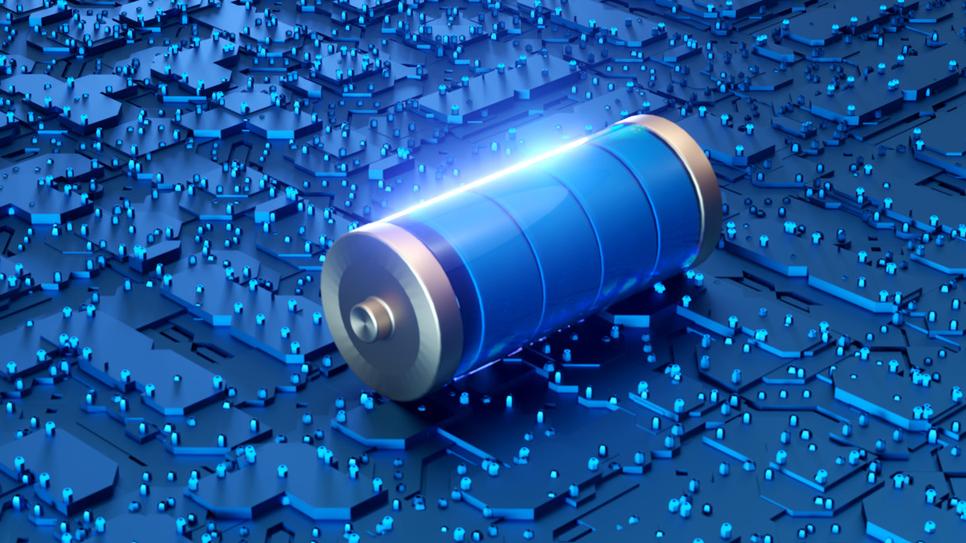
Compared with traditional lead-acid batteries, lithium batteries have many significant advantages. First, they have a higher energy density and can store more electricity in a similar volume and weight, making them very suitable for devices with high requirements for range and portability, such as smartphones, laptops, and electric vehicles. Second, lithium batteries have a long cycle life and can still maintain a high capacity even after hundreds or even thousands of charge and discharge processes; third, lithium batteries have a low self-discharge rate, which helps to extend standby time. In addition, modern lithium batteries are constantly improving in terms of safety. For example, by optimizing battery management systems and adopting new electrolytes, safety hazards such as overcharging and overheating are reduced.
In short, lithium batteries have become the preferred energy solution in modern electronic products and new energy vehicles with their excellent performance and lightweight characteristics. With the continuous advancement of materials science and battery technology, lithium batteries are expected to achieve higher energy density, faster charging speed and higher safety in the future, further promoting the development of global new energy technologies.

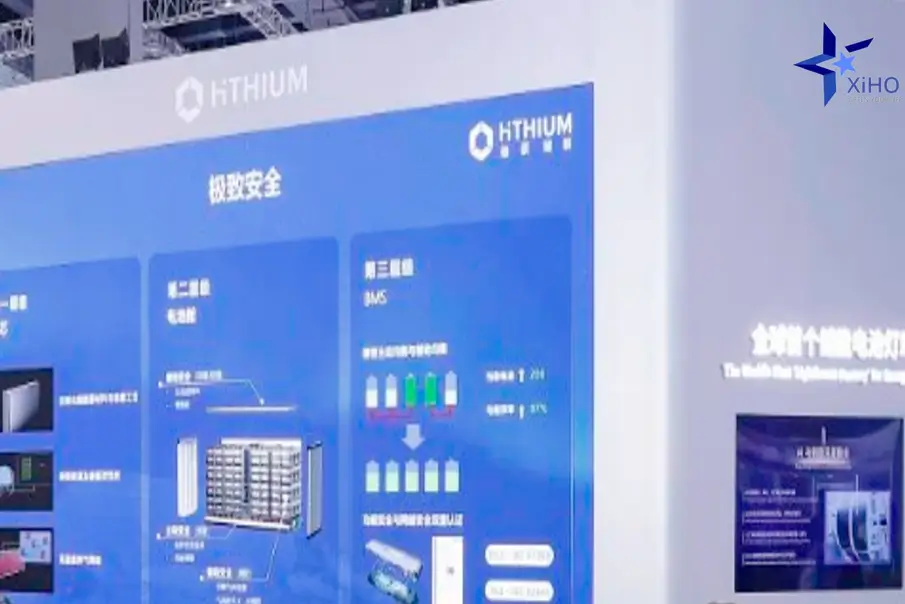 HiTHIUM Launches First Native 8-Hour LDES System at SNEC 2026
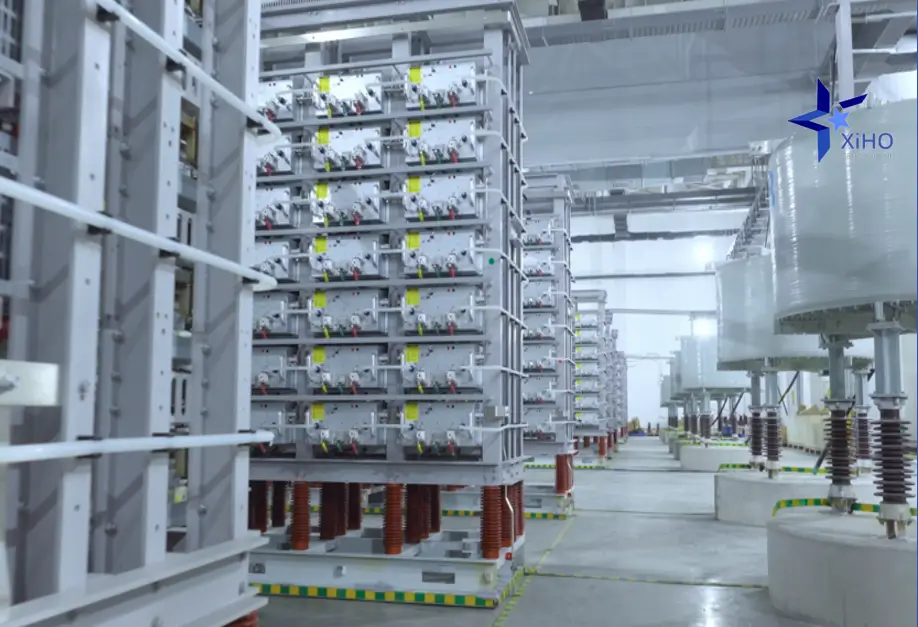 CATL Opens Massive New Energy Storage Test Lab in China
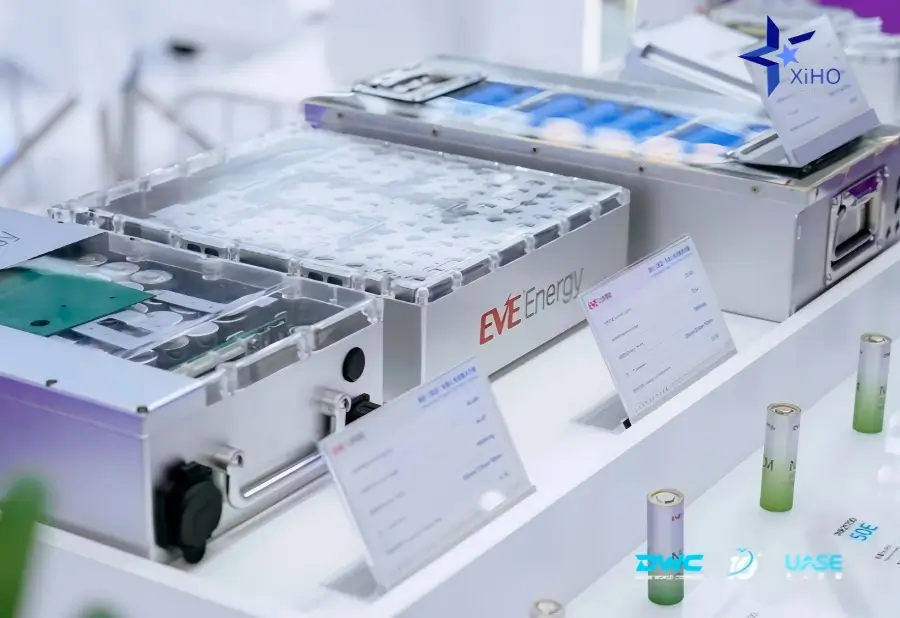 EVE Energy Showcases Energy Solutions at 2026 World UAV Expo

