We use cookies to improve your online experience. By continuing browsing this website, we assume you agree our use of cookies.

Australia's Cheaper Home Batteries Program Expanded to Support 40GWh by 2030

Views : 363
Author : XH-Nate
Update time : 2025-12-31 13:57:52

Government increases funding to AU$7.2 billion following unprecedented uptake by households.

Introduction

The Australian government has significantly expanded its Cheaper Home Batteries Program, increasing total funding to an estimated AU7.2billion(US4.76 billion) by 2030. The initiative, which offers rebates of approximately 30% on battery system costs, has already supported 160,000 installations since its launch in July 2025, adding over 3.6GWh of storage capacity to the grid.

Key Achievements

  • Rapid Adoption:​ The program has seen strong uptake, with weekly applications reaching 8,000.
  • Solar Integration:​ Half of participating households are installing or upgrading solar PV systems alongside batteries.
  • Grid Support:​ Installations are concentrated in suburban and remote areas with weaker grid infrastructure, enhancing local energy resilience.

Expanded Targets

The expanded funding is expected to support an additional 40GWh of storage capacity​ by 2030, equipping around two million homes with batteries. The program is open to households, communities, and businesses installing systems with 5–100kWh capacity.

Policy Adjustments for Sustainability

To ensure long-term viability, the government will adjust subsidy levels starting 1 May 2026:
Tiered Subsidies:

  • 100% subsidy for systems sized 0–14kWh.
  • 60% for capacities between 14kWh and 28kWh.
  • 15% for systems up to 50kWh.

Annual Reviews:​ Subsidy levels will decrease gradually to reflect falling battery prices.

Industry and Government Response

Energy Minister Chris Bowen emphasized the program’s dual benefits: lowering household bills and stabilizing the grid. The initiative is now integrated into the Small-scale Renewable Energy Scheme (SRES), streamlining support for renewables.

Conclusion

Australia’s Cheaper Home Batteries Program is accelerating the adoption of residential energy storage, driven by strategic subsidies and growing consumer demand. As battery prices continue to decline, the program is poised to play a pivotal role in the nation’s transition to a clean energy future.


Inquiry more product details from the : ​Lithium Ion Battery Manufacturers
WhatsApp/Wechat/Mobile: +86 13332949210
Email: info@xihobattery.com
Website: www.xihobattery.com
Related News
Read More >>
HiTHIUM Launches First Native 8-Hour LDES System at SNEC 2026 HiTHIUM Launches First Native 8-Hour LDES System at SNEC 2026
Jun .11.2026
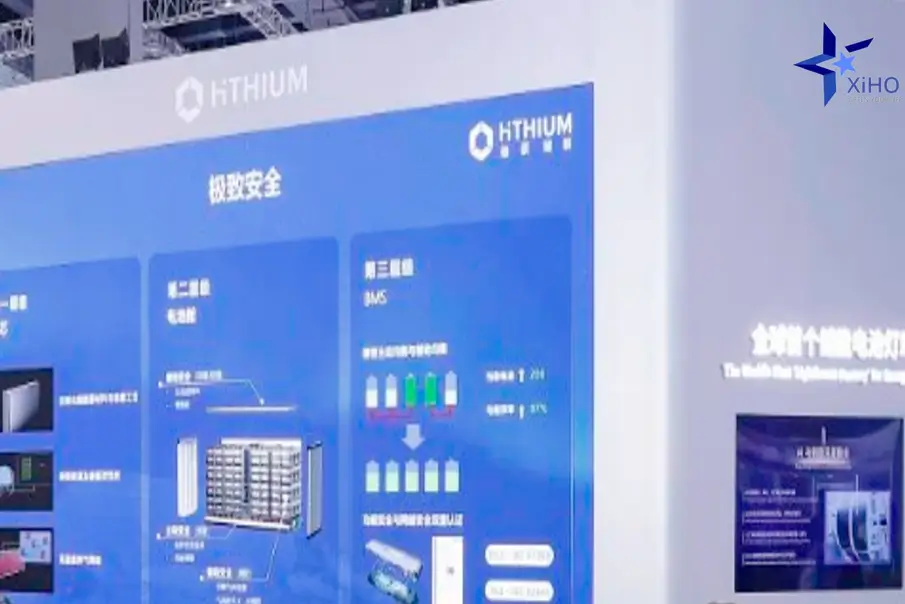
Shanghai, June 3, 2026 – At SNEC 2026, HiTHIUM introduced what it calls the world's first native 8-hour long-duration energy storage (LDES) system: the ∞Power 6.9MWh ESS. The company also unveiled its new ∞Cell 650Ah large-capacity battery and the ∞Power 10+MWh product solution.
CATL Opens Massive New Energy Storage Test Lab in China CATL Opens Massive New Energy Storage Test Lab in China
Jun .09.2026
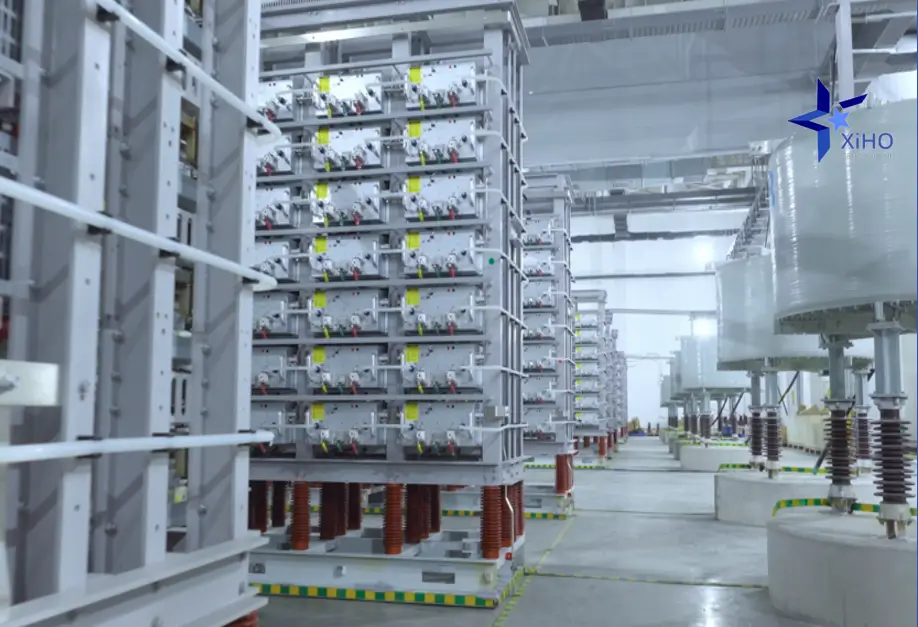
Xiamen, China – May 28, 2026. CATL has officially opened a major new testing facility in Xiamen. Called the Energy Storage Validation Laboratory (ESVL), the site aims to help move the global energy storage industry toward a new standard of real-world, system-level testing before projects are deployed. Covering 10 hectares and built with an investment of about 3 billion yuan (approx. $440 million USD), the company says it is the world’s largest and most comprehensive one-stop testing platform for energy storage systems. CATL intends to run it as an open facility, available for use by the wider industry worldwide.
EVE Energy Showcases Energy Solutions at 2026 World UAV Expo EVE Energy Showcases Energy Solutions at 2026 World UAV Expo
Jun .05.2026
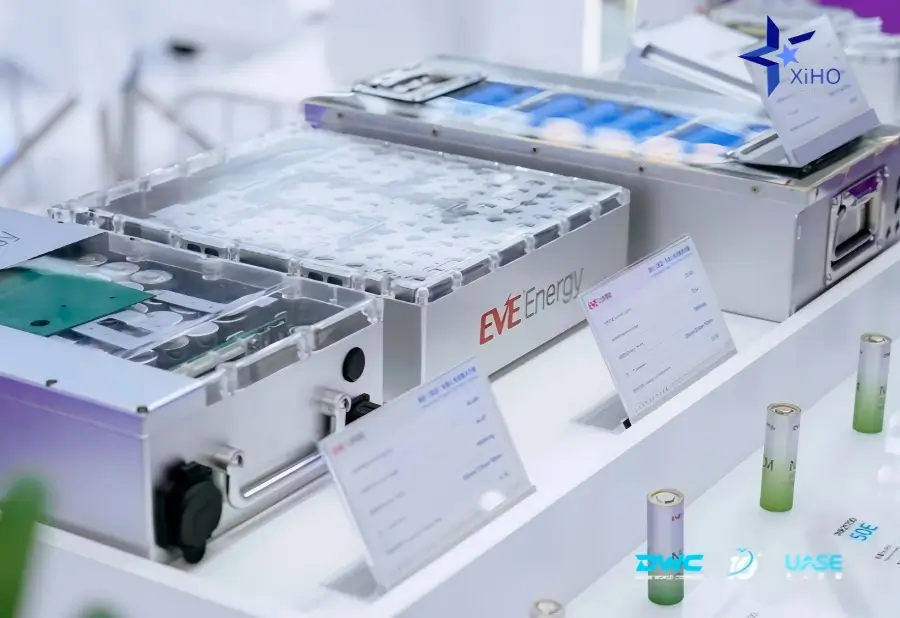
The 2026 World UAV Expo and International Low-Altitude Economy & Unmanned Systems Exhibition (UASE 2026) recently concluded at the Shenzhen World Exhibition & Convention Center. The event gathered industry leaders, technology developers, and commercial operators from the global drone and advanced air mobility sectors. Among the prominent exhibitors was EVE Energy, which presented a comprehensive portfolio of energy solutions tailored for low-altitude aviation and robotics applications.