
For anyone selecting a power source for smartphones, wearables, electric vehicles or industrial devices, battery lifespan is the single most critical factor determining long-term value and user experience. The ongoing debate between lithium polymer (LiPo) and lithium-ion (Li-ion) batteries hinges on cycle life, degradation patterns, and real-world performance under diverse conditions. This comprehensive guide breaks down their key differences to help you make an informed decision.
Core Chemical Differences That Impact Longevity
At their core, the two technologies differ primarily in electrolyte composition, which directly drives their lifespan and performance characteristics. LiPo batteries use a gel-like or semi-solid polymer electrolyte, enabling flexible form factors, higher safety, and energy densities of 300–400 Wh/kg. They support fast charging up to 2–3C and have an ultra-low self-discharge rate of less than 1% per month. Li-ion batteries, by contrast, use a liquid organic electrolyte, remaining the industry standard due to lower costs ($100–200 per kWh) and mature supply chains, with energy densities ranging from 150–250 Wh/kg.
Cycle Life Showdown: How Many Charges Do They Deliver?
Cycle life—defined as one full charge-discharge cycle before capacity drops to 80% of original—is the most direct measure of battery longevity. LiPo batteries hold a clear advantage here, delivering 1,500–2,000 usable cycles, roughly 2–3 times longer than standard Li-ion batteries which typically last 500–1,000 cycles. For daily-charged devices, this translates to 3–5 years of reliable service for LiPo versus 1–2 years for Li-ion. The gel electrolyte in LiPo batteries reduces internal mechanical stress during cycling, slowing capacity degradation significantly.
Degradation Patterns: Why LiPo Ages More Gracefully
Beyond raw cycle count, how a battery degrades over time matters equally. LiPo batteries exhibit slow, linear capacity loss thanks to their solid electrolyte, which resists two major failure modes: electrolyte evaporation and dendrite formation. Dendrites—microscopic metal spikes that grow inside batteries—are the leading cause of sudden Li-ion failure and short circuits. The gel structure of LiPo batteries physically inhibits dendrite growth, ensuring consistent performance throughout their lifespan. Li-ion batteries, with their liquid electrolyte, are far more prone to both evaporation and dendrite growth, leading to accelerated capacity loss after 300–400 cycles.
Key Factors That Extend or Shorten Battery Life
Regardless of chemistry, three factors dominate battery longevity:
Depth of Discharge: Repeatedly draining to 0% doubles wear compared to stopping at 20%. Maintaining 20–80% charge is the single most effective practice, with Nature research showing dynamic discharge profiles can extend life by up to 38%.
Temperature Exposure: Heat is a battery’s worst enemy. LiPo batteries operate reliably between -20°C and 60°C, outperforming Li-ion in extreme thermal environments.
Charging Habits: Overcharging and using non-certified chargers generate excess heat, accelerating degradation. Modern BMS systems mitigate this, but consistent 100% charging still shortens lifespan.
2026 Technological Advances Closing the Gap
Recent innovations are narrowing the lifespan gap between the two technologies. New Li-ion chemistries now achieve over 5,000 cycles in lab conditions, while AI-powered BMS systems optimize charging in real time to slow degradation. These advances benefit both chemistries, reducing electronic waste and lowering lifetime ownership costs for consumers.
Choosing the Right Battery for Your Needs
Wearables & Compact Devices: LiPo is unmatched for slim, lightweight designs with long standby times.
Premium Electronics: Laptops and high-end smartphones favor LiPo for its longer lifespan and faster charging.
Mass-Market EVs & Budget Devices: Li-ion remains dominant due to lower costs and established supply chains.
Industrial Applications: LiPo excels in remote monitoring and power tools where reliability and wide temperature tolerance are critical.
Practical Tips to Maximize Any Battery’s Life
Avoid leaving devices in hot cars or direct sunlight
Use only manufacturer-recommended chargers
Enable built-in battery optimization features
Avoid full discharges unless calibrating the battery
Final Verdict
LiPo batteries outperform Li-ion in lifespan, energy density, safety and long-term efficiency, making them ideal for high-performance, longevity-focused applications. However, Li-ion remains the practical, cost-effective choice for mass-market products where affordability is the top priority. Ultimately, the best choice depends on balancing your needs for lifespan, cost, form factor and performance.
Welcome to contact us:
Inquiry more product details from the : Lithium Ion Battery Manufacturers
WhatsApp/Wechat/Mobile: +86 13332949210
Email: info@xihobattery.com
Website: www.xihobattery.com
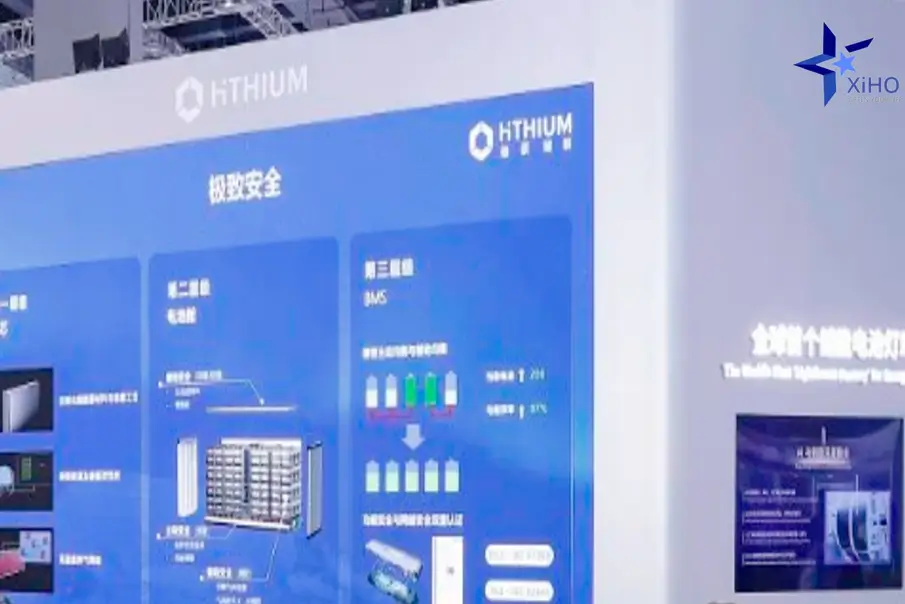 HiTHIUM Launches First Native 8-Hour LDES System at SNEC 2026
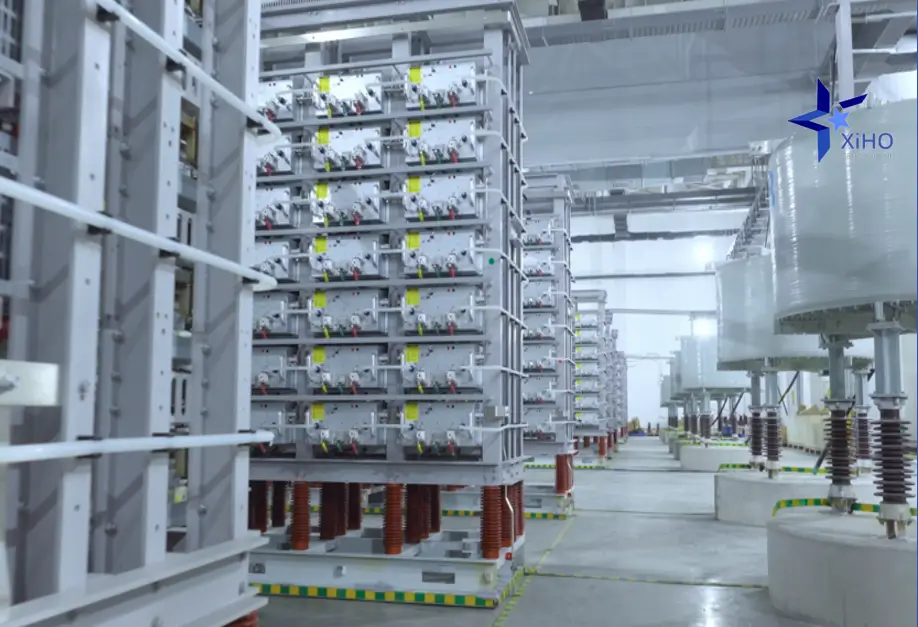 CATL Opens Massive New Energy Storage Test Lab in China
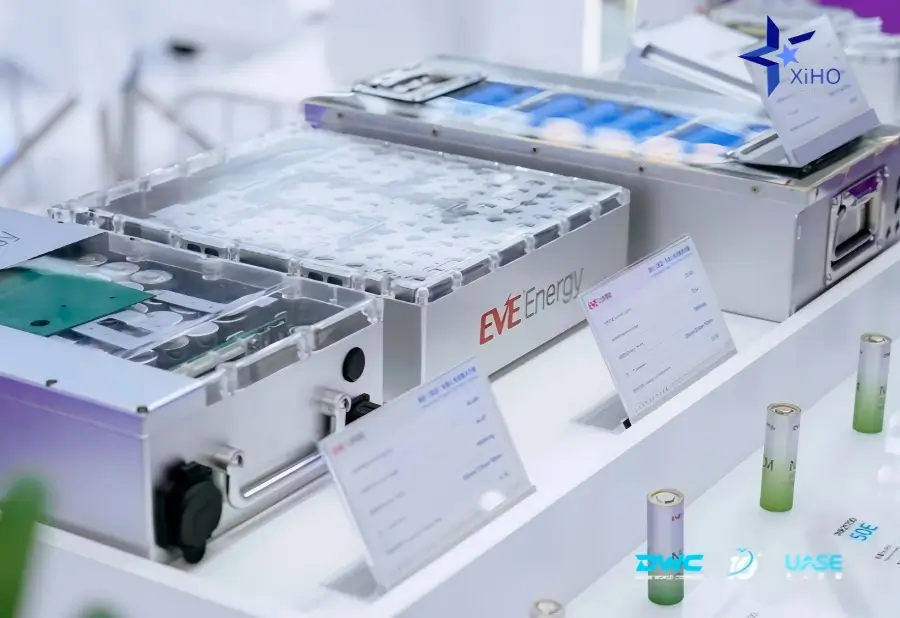 EVE Energy Showcases Energy Solutions at 2026 World UAV Expo

