1.Differences in technical principles
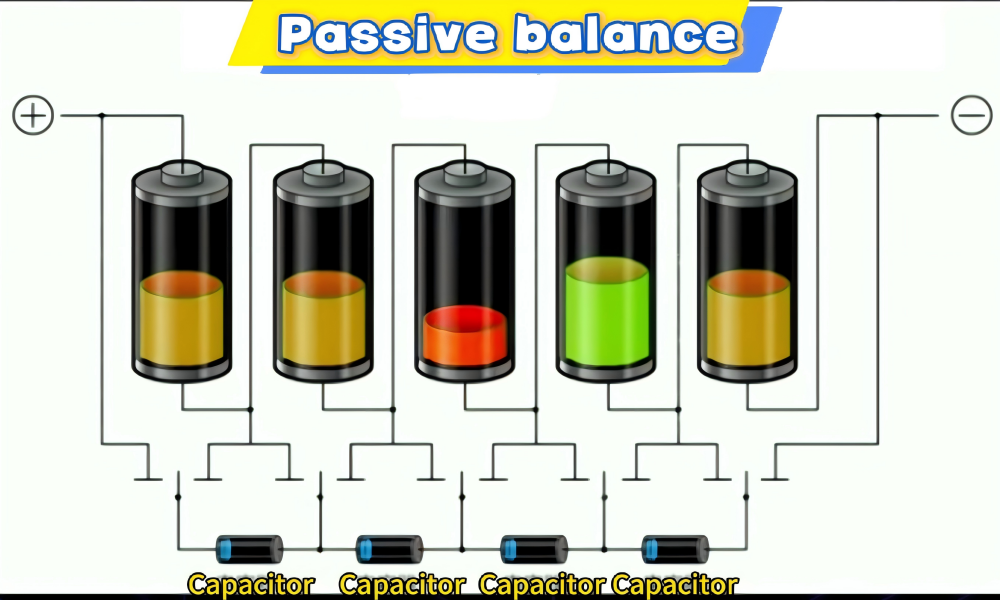
Passive Balancing: Passive balancing releases the excess energy of high-capacity batteries in the form of heat energy through resistance energy consumption, so that the voltage of all single cells tends to be consistent. Its core is to identify the battery status through the voltage detection module, control the on and off of the resistor through the switch, and force the high-voltage battery to discharge. Technical features:
(1) Simple structure, only requires resistors, switches and basic control circuits;
(2) Low cost, suitable for low-cost scenarios;
(3) Energy is wasted in the form of heat energy, reducing system efficiency.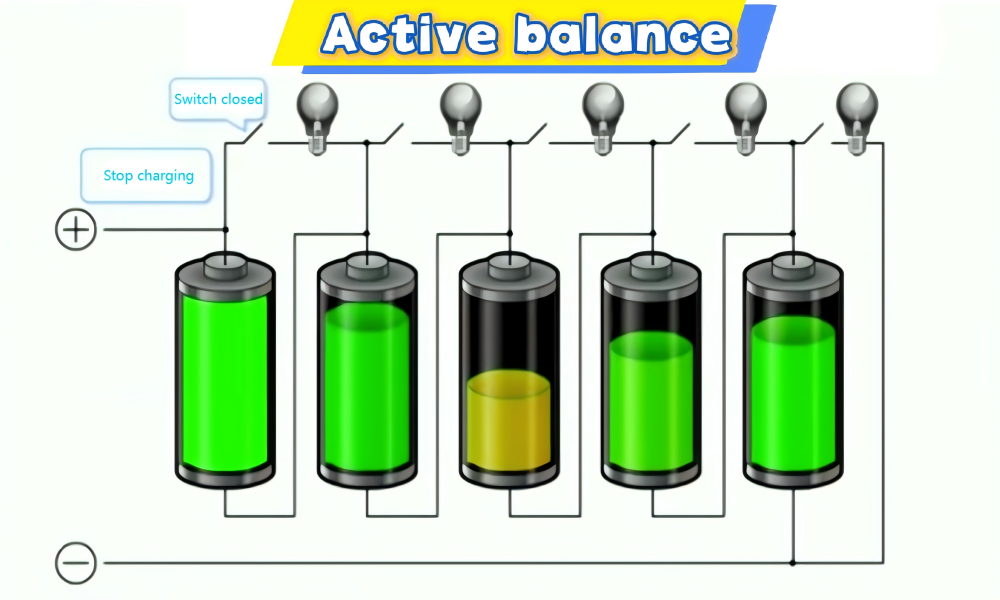
Active Balancing: Active balancing uses energy transfer technology to transfer energy from high-capacity batteries to low-capacity batteries to achieve energy recycling. Typical solutions include inductive, capacitive or DC-DC converter topologies, which use power electronic devices to achieve directional energy flow. Technical features:
(1) High energy utilization and reduced heat loss;
(2) High balancing efficiency (up to more than 90%);
(3) Supports complex topologies and adapts to multi-string battery pack management;
(3) High cost and requires integration of high-frequency power electronic components.2.Technical performance comparison
|
Dimensions
|
Active Balance
|
Passive Balance
|
|
Energy efficiency
|
≥90%(Energy recycling)
|
≤30%(mainly energy loss)
|
|
Balanced speed
|
Seconds to minutes
|
Minutes to hours
|
|
Heat
|
Low
|
High (heat dissipation design required)
|
|
Battery life impact
|
Reduce overcharge/overdischarge and extend life
|
Accelerated battery aging
|
|
Applicable scenarios
|
Long life, high precision energy storage system
|
Low cost, short cycle application
|
3. Analysis on the adaptability of active balancing and passive balancing in solar energy storage application scenarios
(1) Core requirements of solar energy storage
· Energy utilization: It is necessary to maximize the storage efficiency of photovoltaic power generation and reduce energy waste;
· Cycle life: The system needs to operate stably for a long time (usually ≥10 years);
· Environmental adaptability: It is mostly deployed outdoors, and heat dissipation and reliability need to be considered;
· Cost constraints: The initial investment and operation and maintenance costs need to be balanced.
(2) The adaptability advantages of active balancing
· Improve system efficiency: Active balancing uses energy transfer technology to transfer the redundant energy of high-capacity batteries directly to low-capacity batteries, rather than dissipating it in the form of heat through resistance, which can reduce energy loss; solar power generation is intermittent and volatile. For example, cloud cover may cause the photovoltaic output power to drop by more than 50% within a few minutes. At this time, the battery pack needs to respond quickly to power changes, and active balancing can quickly balance the battery pack voltage when the light suddenly changes through real-time monitoring and dynamic adjustment, ensuring efficient energy storage and release, and adapting to scenes with frequent light fluctuations; (Passive balancing has high energy loss And the response speed is slow (minutes to hours), which makes it difficult to match the rapid fluctuations of photovoltaic output, resulting in a decrease in the overall efficiency of the system. )
· Extend the life of the battery pack: During the charging stage, active balancing transfers excess energy to low-power batteries to prevent them from over-discharging; during the discharge stage, high-power battery energy is used first to prevent low-power batteries from over-discharging, which can reduce the capacity attenuation caused by differences in single cells and reduce the frequency of replacement; (Research shows that active balancing can extend the cycle life of lithium batteries by 20%-30%.)
· Support large-scale energy storage: 100-kilowatt-hour energy storage systems usually contain hundreds of batteries, and the difficulty of balancing them increases exponentially. Active balancing uses a distributed architecture to configure balancing modules only for key nodes to reduce hardware complexity; combined with voltage, SOC (state of charge) and other multi-parameter collaborative control, it adapts to the dynamic differences of large-scale battery packs. (Passive balancing requires an independent resistor for each battery, which increases hardware costs, and a large amount of heat requires additional heat dissipation equipment (such as fans and air conditioners), which takes up space and increases energy consumption. It is not suitable for large-scale solar energy storage scenarios.)
· High energy and space utilization: The heat loss of active balancing during the energy transfer process is only less than 1/5 of that of passive balancing, and the system temperature rise is controlled within 10°C. No additional heat dissipation device is required, and the energy utilization rate is high; the active balancing solution can be compactly installed, which is suitable for space-constrained scenarios such as roofs and containers, and has high space utilization. (The heat energy generated by passive balancing increases significantly with the increase of battery capacity, so a forced air cooling system (occupying 1-2m³ of space) is required, which takes up space and increases operation and maintenance costs.)4. Applicable scenarios of passive balancing
(1) Small household systems: such as rooftop photovoltaics + small energy storage (<5kWh), which are cost-sensitive and simple to maintain;
(2) Short-cycle applications: short-term discharge scenarios such as backup power supplies;
(3) Extreme cost constraints: projects that are highly sensitive to price and allow for lower cycle life.
With the decline in lithium battery costs and the scale-up of photovoltaic systems, in the field of solar energy storage, active balancing is more suitable for large-scale, long-cycle application scenarios due to its high efficiency and long life, and is gradually becoming the standard for large-scale energy storage systems; while passive balancing is limited to small, low-cost projects. For small systems with a capacity of less than 10kWh and limited investment budgets, passive balancing still has economic advantages.

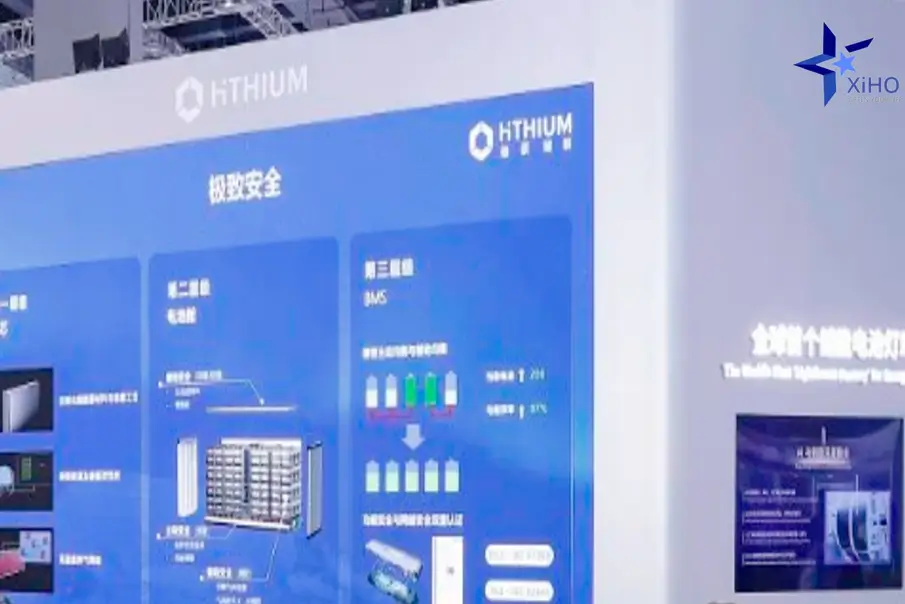 HiTHIUM Launches First Native 8-Hour LDES System at SNEC 2026
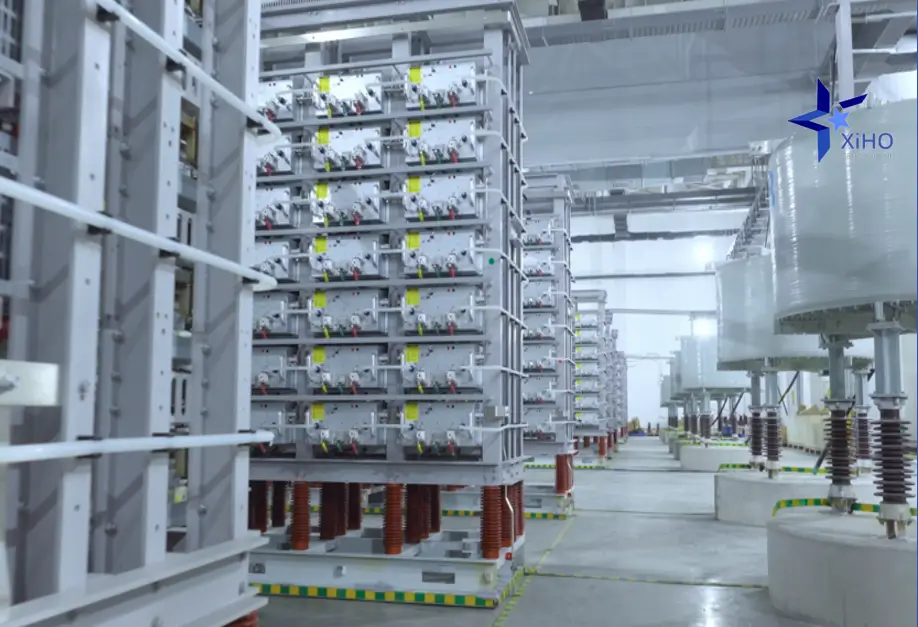 CATL Opens Massive New Energy Storage Test Lab in China
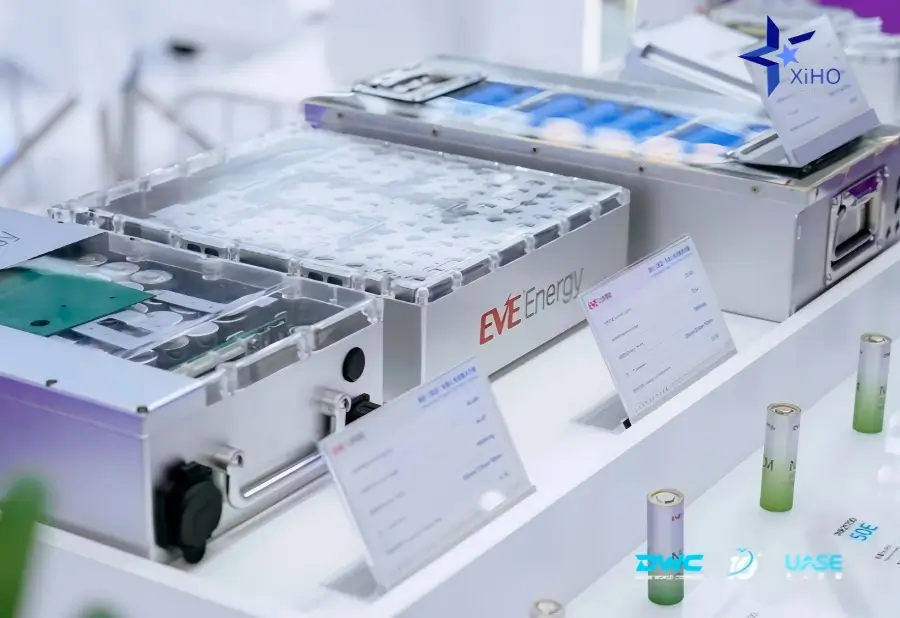 EVE Energy Showcases Energy Solutions at 2026 World UAV Expo

