
With the rapid development of new energy vehicles, lithium batteries, as one of the core components of the equipment, have also received widespread attention. The mainstream lithium batteries on the market are lithium iron phosphate batteries and ternary lithium batteries. What are the differences between them? This article will give you a detailed analysis.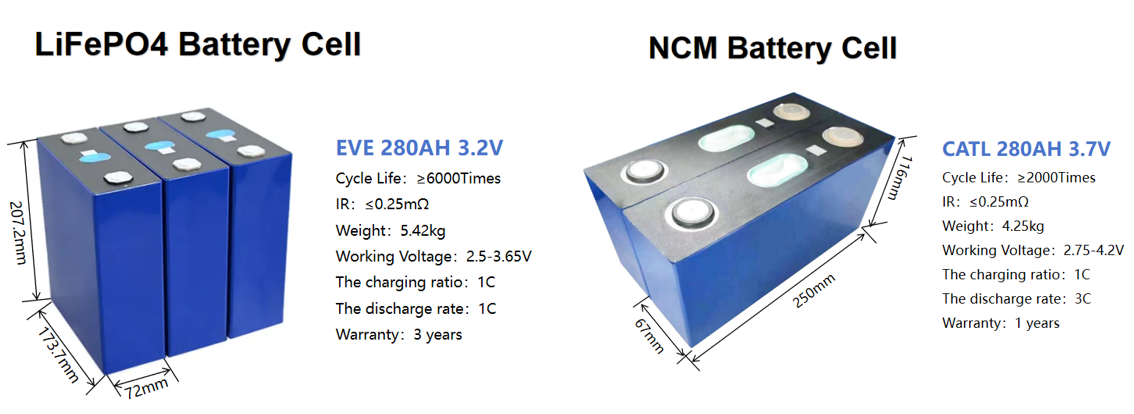
1、Different cathode materials
The positive electrode material of lithium iron phosphate battery is lithium iron phosphate(LiFePO4), while the positive electrode material of ternary lithium battery is lithium nickel cobalt manganese oxide or lithium nickel cobalt aluminum oxide(NCM).
2、Different energy density
The energy density of ternary lithium batteries is higher, so at the same volume or weight, ternary lithium batteries can store more electrical energy and thus provide a longer driving range.
3、Different security
Lithium iron phosphate batteries have better stability at high temperatures and are relatively safer; however, ternary lithium batteries have poor stability at high temperatures and are prone to thermal runaway, so more stringent safety protection measures are required.
4、Different lifespans
The cycle life of lithium iron phosphate batteries is relatively long, generally reaching thousands or even tens of thousands of times; while the cycle life of ternary lithium batteries is relatively short, generally around a thousand times.
5、Different costs
The cost of lithium iron phosphate batteries is relatively low, while the cost of ternary lithium batteries is higher. This is one of the reasons why lithium iron phosphate batteries are more widely used in the field of new energy vehicles.
6、Different application scenarios
Due to the difference in performance, lithium iron phosphate batteries are more suitable for scenarios with low requirements on energy density but high requirements on cost and safety, such as electric buses, logistics vehicles, etc.; while ternary lithium batteries are more suitable for passenger cars with higher requirements on energy density.
In summary, lithium iron phosphate batteries and ternary lithium batteries each have their own advantages and disadvantages, and the choice needs to be weighed according to actual needs and usage scenarios. With the continuous advancement of technology, the performance gap between the two is gradually narrowing, and more balanced lithium battery products may appear in the future.
ernary lithium batteries:
Advantages of lithium iron phosphate batteries:
- High safety: Lithium iron phosphate batteries are relatively stable at high temperatures and are not prone to thermal runaway.
- Long life: Lithium iron phosphate batteries have a long cycle life of thousands of times, which is longer than ternary lithium batteries.
- Low cost: The production cost of lithium iron phosphate batteries is relatively low.
Disadvantages of lithium iron phosphate batteries:
- Low energy density: Compared with ternary lithium batteries, lithium iron phosphate batteries have lower energy density, resulting in a relatively short driving range.
- Poor low temperature performance: In low temperature environments, the performance of lithium iron phosphate batteries will be affected to a certain extent, resulting in a decrease in battery capacity.
Advantages of ternary lithium batteries:
- High energy density: The energy density of ternary lithium batteries is high, which can provide longer driving range.
- Good low temperature performance: In low temperature environment, the performance of ternary lithium batteries is relatively good, and the capacity decrease is not obvious.
- Fast charging speed: Ternary lithium batteries support a higher charging rate.
Disadvantages of ternary lithium batteries:
- Relatively low safety: Ternary lithium batteries may experience thermal runaway at high temperatures, posing certain safety risks.
- Relatively short life: The cycle life of ternary lithium batteries is relatively short, generally around a few hundred to a thousand times.
- High cost: Due to the materials and production process, the cost of ternary lithium batteries is relatively high.
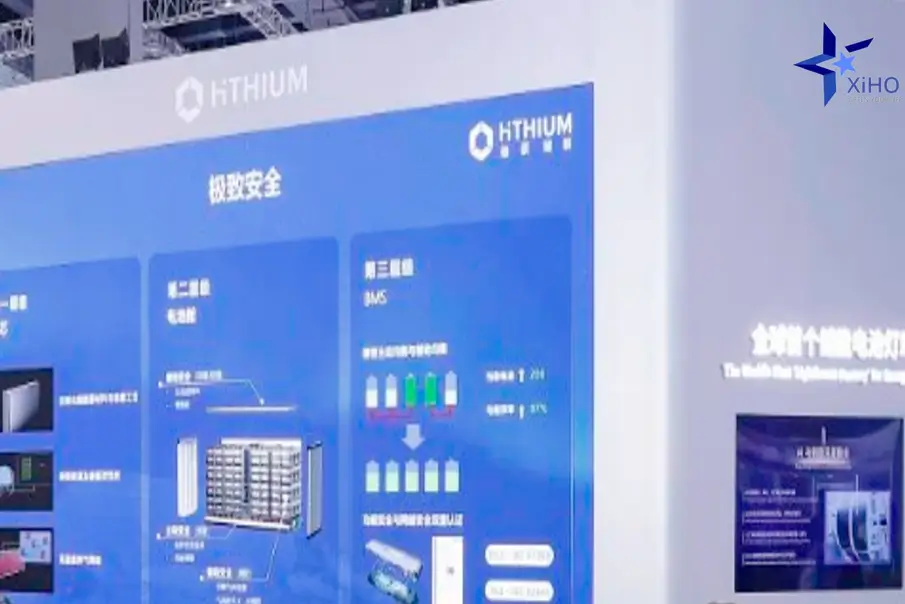 HiTHIUM Launches First Native 8-Hour LDES System at SNEC 2026
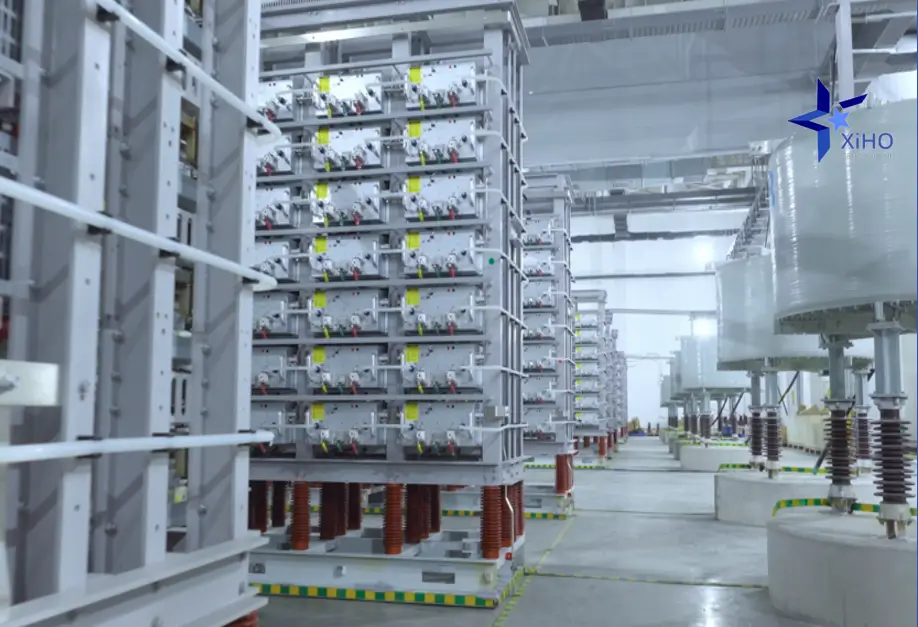 CATL Opens Massive New Energy Storage Test Lab in China
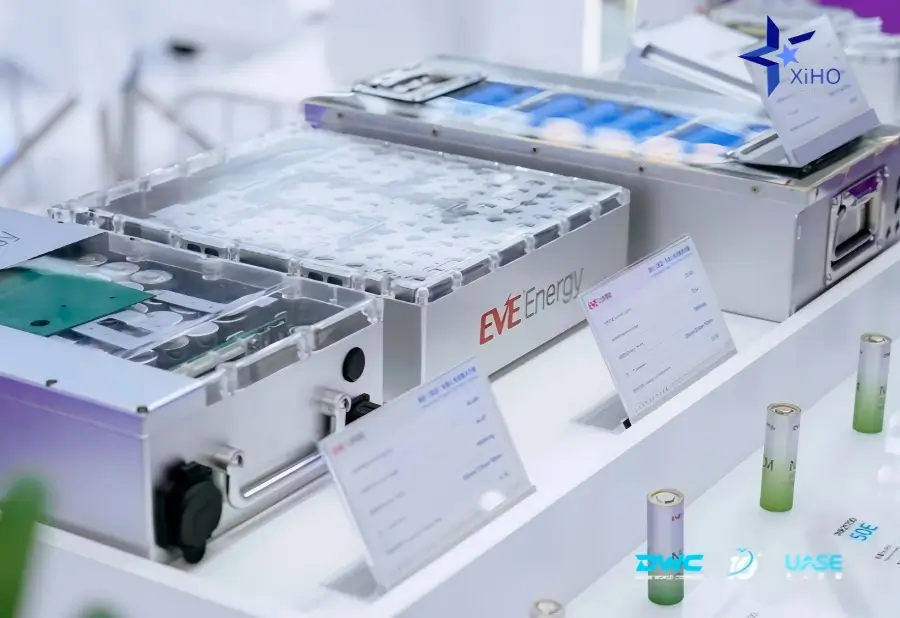 EVE Energy Showcases Energy Solutions at 2026 World UAV Expo

