
1. At present, the amount of lead -acid battery batteries on the market is higher than lithium batteries. The reason may be that the current cost of lithium battery is still relatively high. Therefore, in the design of the existing "lithium tram" products, the capacity configuration of lithium batteries is mostly used to reduce the implementation cost of the vehicle accordingly, which makes the models of the existing "lithium tram" products be too simple.
Lead-acid batteries and lithium batteries cannot be judged simply as good or bad. Both have their own advantages and disadvantages, and are suitable for different groups of people. At present, most of the lithium battery products on the market are "motorcycles" and the range is not very far, but for the long range such as four-wheel electric vehicles and four-wheel electric scooters for the elderly, it is more suitable for "lead-acid batteries" in the current situation.
2. lithium ions mainly relied on lithium ions to move between positive and negative electrodes. In the process of charging and discharge, LI+ is embedded and dehydrated between the two electrodes: when the battery is charged, the li+ is dehydrated from the positive pole, the electrolyte is embedded in the negative electrode, and the negative electrode is in the state of lithium rich; the opposite is the opposite when discharge. Generally, materials containing lithium elements are used as electrode batteries. At this stage, the most negative poles are graphite. Compared with lead -acid batteries, lithium batteries have the advantages of light weight, large capacity, and long cyclic service life. It is used as an elderly electric mobilization vehicle power supply. "Lightweight and minimalist" design.
3. the electrode of the lead -acid battery is mainly made of lead and its oxides, and the electrolyte is a sulfate solution. In the state of the lead -acid battery, the main component of the positive electrode is lead dioxide, and the main component of the negative electrode is lead; in the discharge state, the main component of the positive and negative electrode is lead sulfate.
4. both batteries are different from energy storage devices, and others are different. Lead -acid batteries are safer and cheaper, but the energy density is lower than lithium battery, so the volume of lead -acid batteries is larger. At this stage, the research of battery (energy storage) technology has not yet achieved breakthrough progress, that is, "low cost, high -performance" batteries have not yet been put into actual application of commercialization, and the existing lead -acid batteries and lithium batteries can be used. Excellent characteristics are united to transform and upgrade, as the main research topics in the current period of the future. I believe this has a clearer direction for the development of the elderly electric schedule in the future, and even the development of the entire electric scooter industry.
General electric vehicles for lead -acid batteries. Mainly because of its cost -effective.
If you want to say the battery life, the other conditions are exactly the same, and the battery capacity is the same. It may be that lithium battery is a little better. Why, because the lithium battery is lighter, the weight of the entire car is lighter, and of course it runs a little farther.
Get more information: +8613332949210
Email: info@xihobattery.com
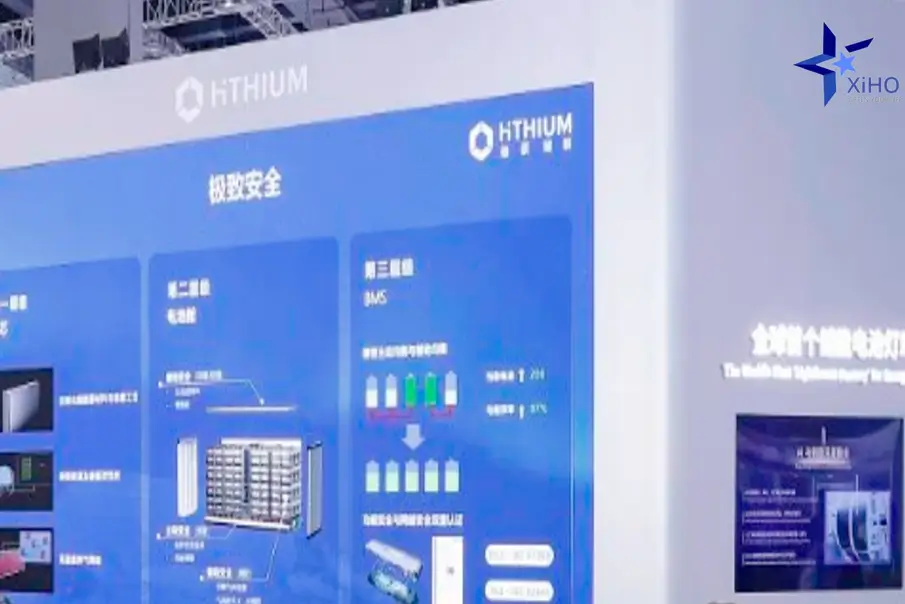 HiTHIUM Launches First Native 8-Hour LDES System at SNEC 2026
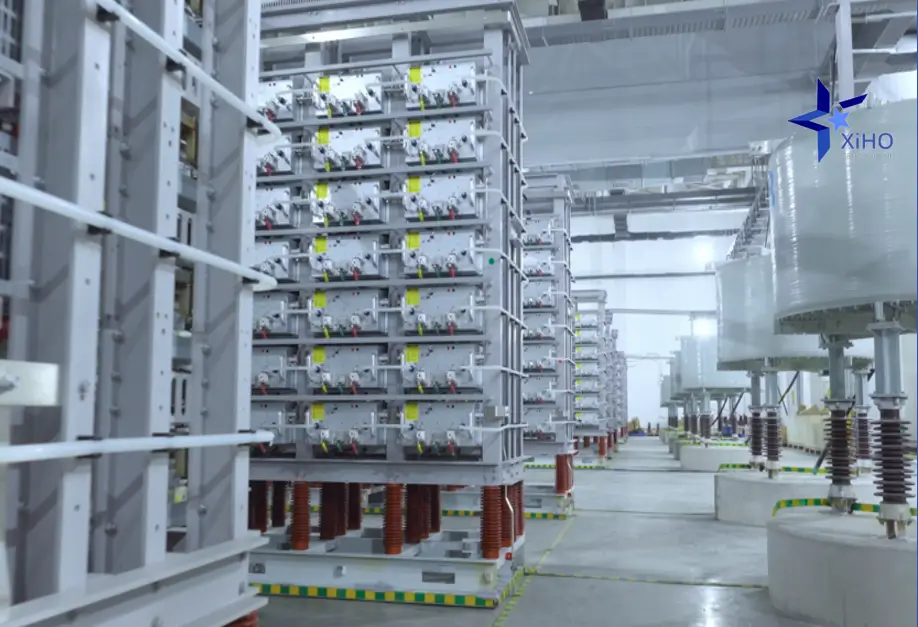 CATL Opens Massive New Energy Storage Test Lab in China
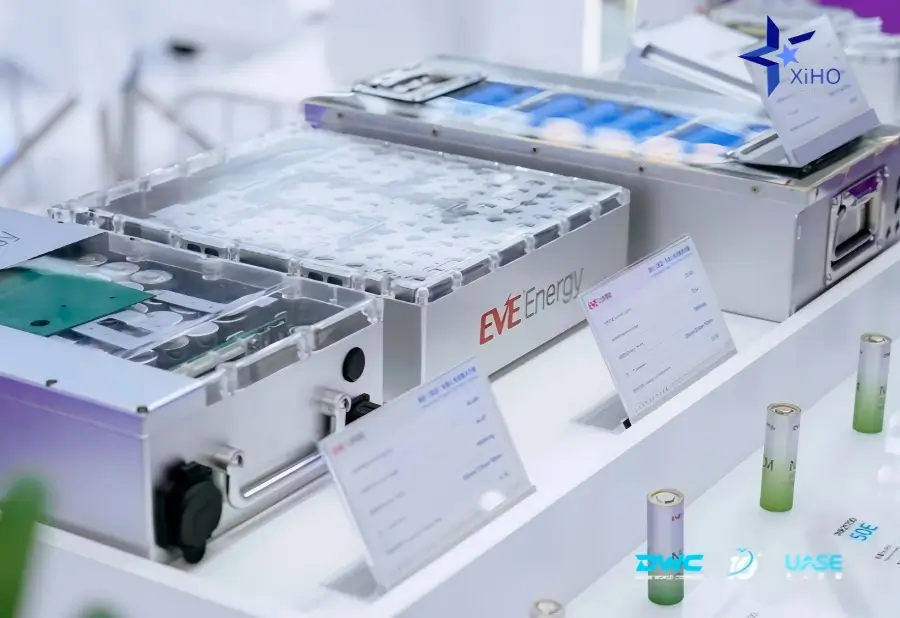 EVE Energy Showcases Energy Solutions at 2026 World UAV Expo

