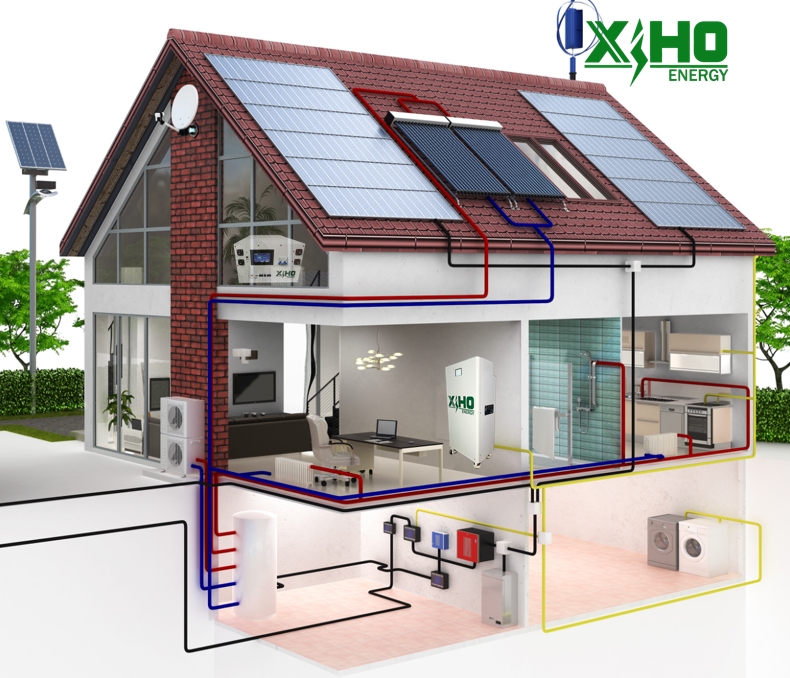
Home energy storage is not only a backup power source, but also a core node of the energy revolution. When photovoltaic and wind power become mainstream, their intermittent defects become a fatal shortcoming - the uncontrollable sunlight and wind power lead to energy waste during peak power generation periods, while rainy or windless periods face power shortages. The home energy storage system stores the surplus of new energy and releases it during peak demand, completely solving the dilemma of clean energy "relying on the weather".
1. Instability of new energy
(1) Filling the intermittent gap
The volatility of photovoltaic and wind power requires the energy system to have "buffering capacity". Household energy storage uses lithium battery packs (such as lithium iron phosphate batteries) to store excess solar energy during the day for use at night or on cloudy days, achieving 24-hour green electricity supply. Currently, lithium-ion battery manufacturers are constantly improving energy density and cycle life, so that the efficiency and economy of household energy storage are continuously optimized.
(2) Reduce the abandonment of light and wind
It is estimated that the self-use rate of photovoltaic systems without energy storage is only 30%-40%, but after adding household energy storage, it can be increased to more than 80%, greatly reducing energy waste.2. Electricity Price Arbitrage
The global electricity price mechanism is transforming to dynamic time-of-use pricing, and household energy storage has become a powerful tool for saving electricity:
Peak-valley price arbitrage: charging during low-price periods (such as 0.3 yuan/kWh in the early morning) and discharging during peak periods (such as 0.9 yuan/kWh in the evening), Shanghai users have saved more than 400 yuan in electricity bills per month.
Feeding back to the grid profit: Germany, the United States and other countries allow households to sell surplus electricity back to the grid. For example, the California SGIP plan subsidizes $850 per kWh of energy storage electricity, significantly shortening the investment payback period.
Leading lithium battery factories are mass-producing high-performance energy storage batteries, driving system costs down year by year (lithium battery costs in 2025 will be 40% lower than in 2020), shortening the investment payback period of household energy storage to 5-8 years.3. Achieving Energy Independence
Extreme weather and geopolitical conflicts highlight the vulnerability of centralized power grids:
Emergency power supply guarantee: Home energy storage can seamlessly switch to off-grid mode when the grid fails, supporting the operation of key loads such as refrigerators and medical equipment (e.g., Shanghai users continued to supply power for 36 hours during a typhoon blackout).
Resisting energy price fluctuations: The Russian-Ukrainian war caused a 300% surge in European electricity prices, but solar-storage integrated households were not affected.4. Policy dividends
Countries accelerate the deployment of household energy storage through subsidies + tax incentives:
China: Shandong, Zhejiang and other places provide equipment subsidies of up to 50,000 yuan; the peak-valley electricity price difference is expanded to 3:1, enhancing arbitrage space.
Germany: Bavaria subsidizes 200 euros/kWh, and households can enjoy a maximum of 3,200 euros; the value-added tax on energy storage equipment is abolished.
USA: Federal tax credit of 30% + state subsidies (such as 5,000 US dollars in New York State) to reduce users' initial costs.
Home energy storage is not only a power-saving tool, but also a carrier of energy democratization. As lithium-ion battery manufacturers promote technology iteration (such as solid-state battery applications), release policy dividends, and build smart grids, every household will become an energy hub that integrates "production, storage, and use", reshaping the future power ecology.

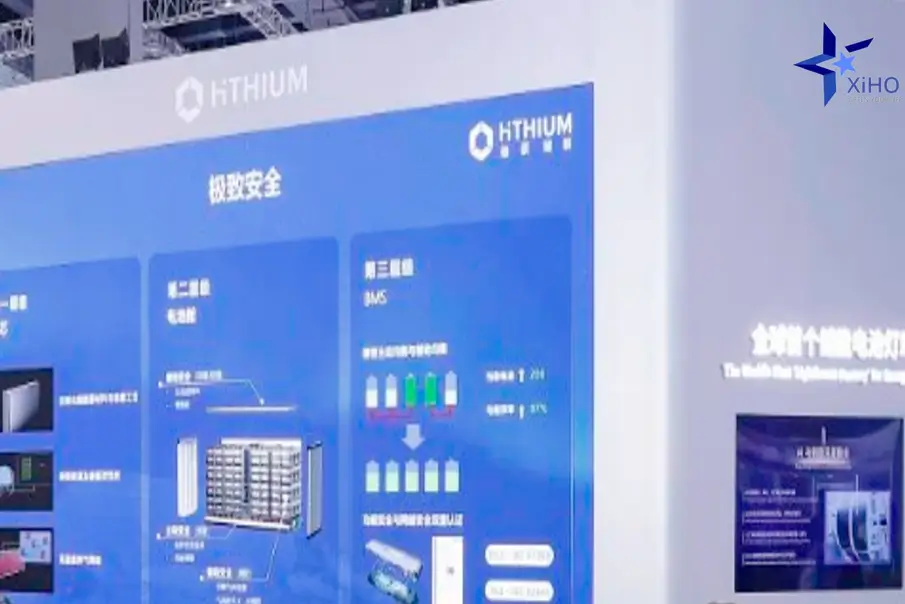 HiTHIUM Launches First Native 8-Hour LDES System at SNEC 2026
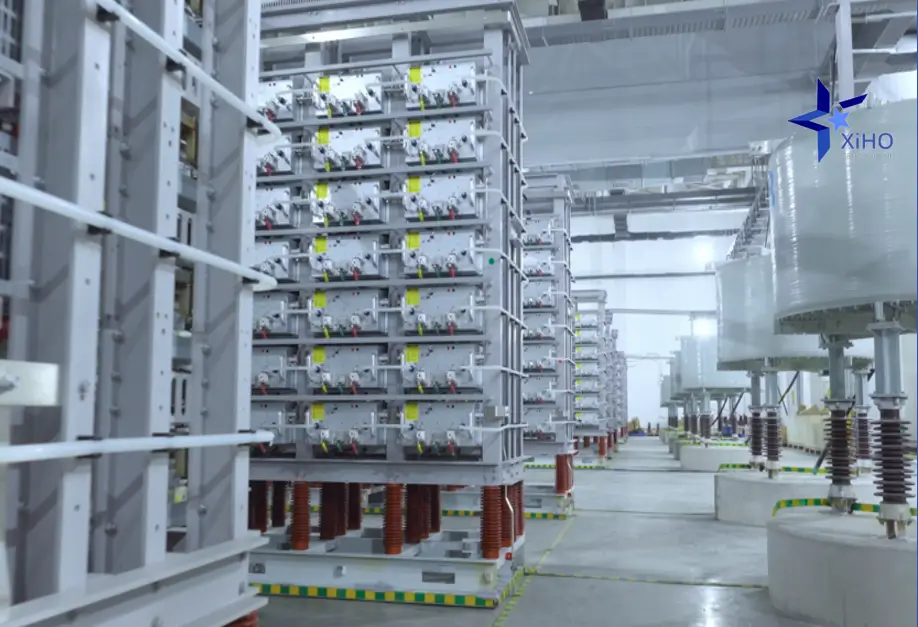 CATL Opens Massive New Energy Storage Test Lab in China
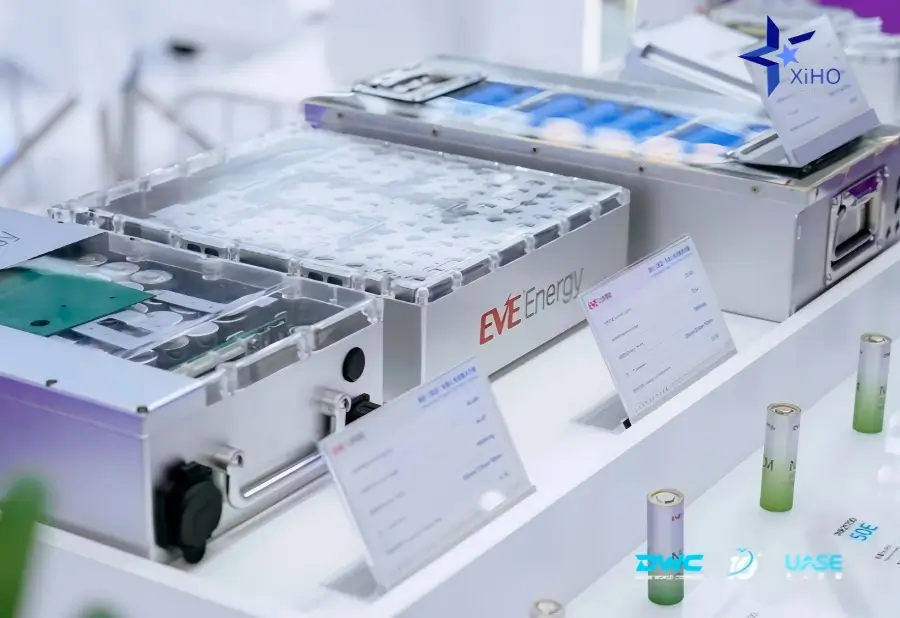 EVE Energy Showcases Energy Solutions at 2026 World UAV Expo

