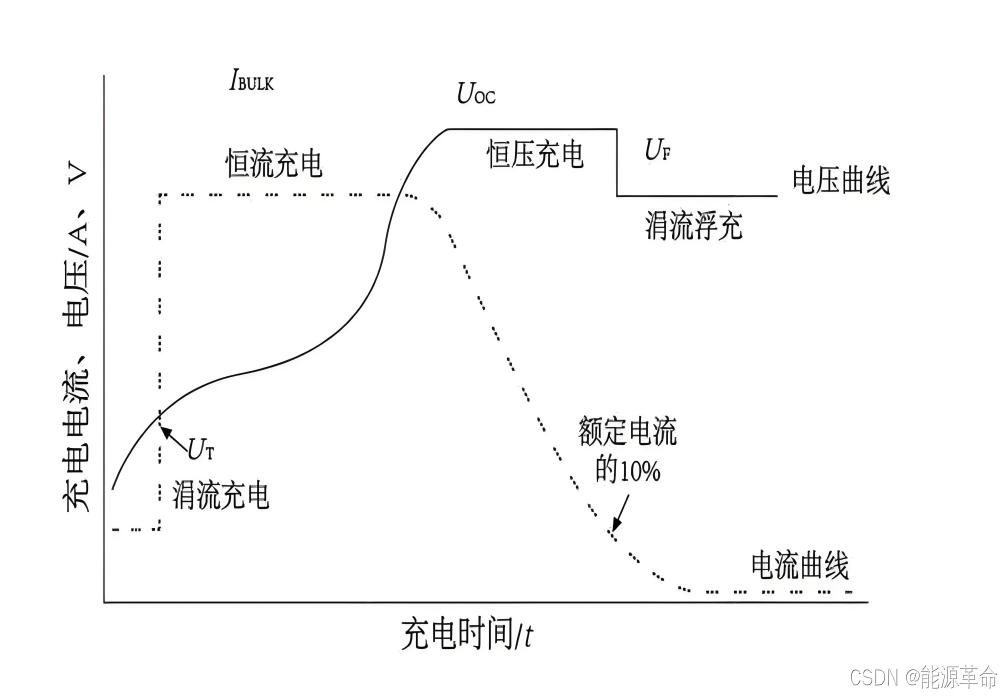
The constant current followed by constant voltage strategy in the lithium battery charging process is designed based on the physical characteristics and safety of the battery. This charging method not only ensures the safety of the battery, but also maximizes its capacity and prolongs its service life.
 Lithium batteries
 adopt a "constant current first, then constant voltage" charging strategy, which achieves safe and efficient charging in three stages: in the constant current stage, the battery is quickly charged to the 4.2V threshold at a current of 0.2C-1.0C; after the voltage reaches the standard, it automatically switches to the constant voltage mode, at which time the current naturally decays until the charging is completed at 0.01C. This strategy overcomes the polarization effect (the phenomenon of falsely high voltage caused by large current) through dynamic adjustment, prevents the risk of overcharging, and allows lithium ions to be evenly embedded in the electrode. Constant current ensures rapid energy replenishment, and constant voltage ensures full charging. The combination of the two not only improves charging efficiency (about 70% of the capacity is completed in the CC stage), but also maintains battery health (eliminates polarization in the CV stage to avoid dendrite growth), and comprehensively extends the battery cycle life by about 30%.

The choice of constant current followed by constant voltage charging also takes into account the polarization effect inside the battery. Polarization refers to the situation during the charging process where the actual voltage of the battery is higher than the equilibrium voltage under ideal conditions due to the limitation of the electrochemical reaction rate. The degree of polarization increases with the increase of charging current, which may cause the battery voltage to increase abnormally or even trigger the protection mechanism to terminate charging prematurely. Introducing the constant voltage stage helps to make the ion concentration distribution inside the battery more uniform, reduce the polarization effect, and ensure that the battery can be fully charged without overheating or damage.

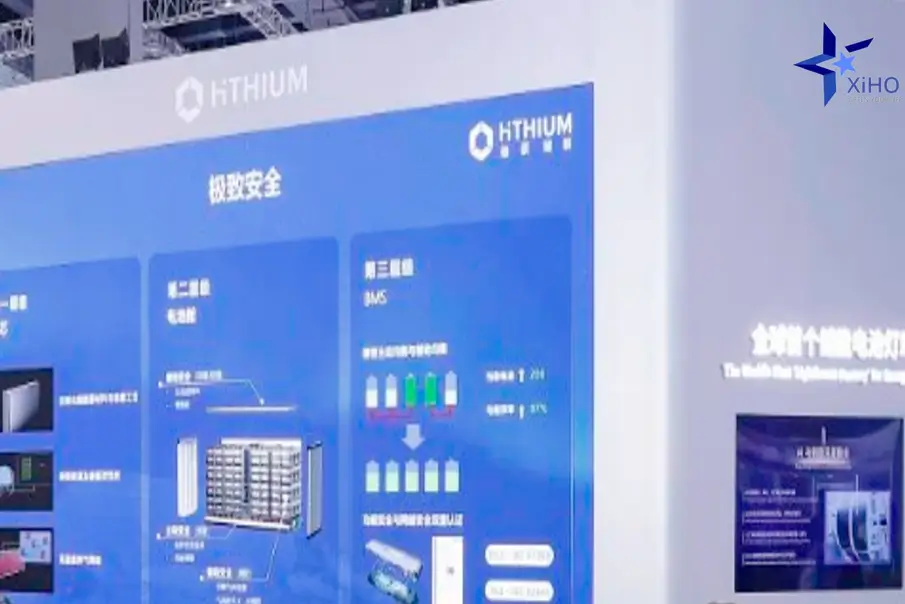 HiTHIUM Launches First Native 8-Hour LDES System at SNEC 2026
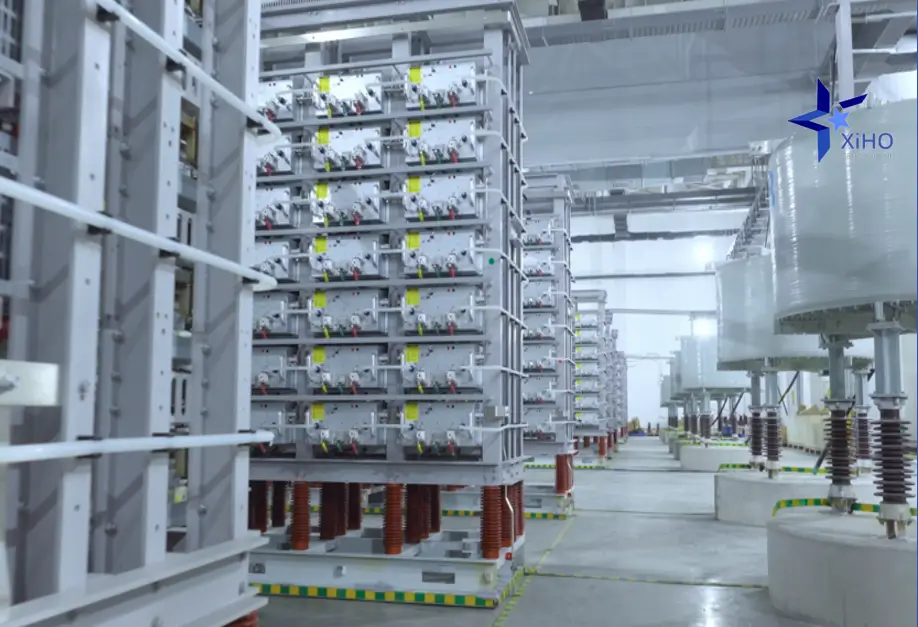 CATL Opens Massive New Energy Storage Test Lab in China
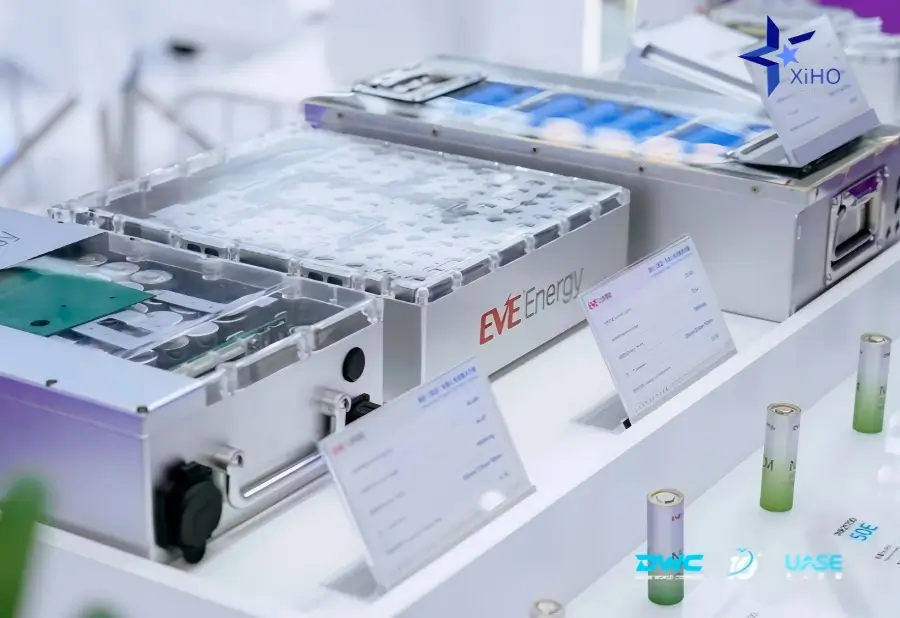 EVE Energy Showcases Energy Solutions at 2026 World UAV Expo

