
Since the outbreak of regional conflict in the Middle East on February 28, 2026, maritime traffic through the Strait of Hormuz — the world’s most critical energy trade chokepoint — has been nearly entirely halted, triggering the single largest oil supply disruption in global market history. Global liquefied natural gas (LNG) supplies have also contracted by roughly 20% amid the crisis, with exports from Qatar and the UAE severely constrained by the loss of viable shipping routes.
Unprecedented Supply Disruption at the World’s Key Energy Chokepoint
The Strait of Hormuz, a narrow waterway separating the Arabian Peninsula and Iran, handles ~25% of global seaborne oil trade and nearly 20% of global LNG trade, with no alternative shipping routes for most Gulf LNG exports. Pre-conflict oil and product flows through the Strait averaged 20 million barrels per day (mb/d); today, traffic has slowed to a near standstill. With limited cross-country pipeline capacity to reroute exports, Gulf nations have slashed total oil production by more than 11 mb/d, with further losses likely if shipping does not resume rapidly.
Global Oil & Gas Market Price Volatility
Since hostilities began, Brent crude futures have surged approximately 55%, while European natural gas benchmark Dutch TTF has climbed 70%. In Asian markets, benchmark prices for diesel and jet fuel have more than doubled, as pre-existing tight middle distillate markets face acute supply losses. Over 3 mb/d of Gulf refining capacity has shut down amid attacks and export constraints, with non-Gulf refiners also cutting runs over feedstock availability fears, leaving minimal spare capacity to offset sustained losses.
IEA’s Largest-Ever Emergency Oil Stock Release
On March 11, 2026, the 32 member countries of the International Energy Agency (IEA) unanimously approved the largest emergency oil stock release in the agency’s 52-year history, making 400 million barrels of strategic reserves available to global markets. Founded in 1974 in response to the OPEC oil embargo, the IEA mandates all members hold a minimum of 90 days of net oil imports in emergency reserves, with a mandate to coordinate collective action during severe supply disruptions. This marks only the sixth coordinated stock release in the agency’s history, following actions in 1991, 2005, 2011, and twice in 2022 amid Russia’s invasion of Ukraine. Global crude and product inventories currently stand at over 8.2 billion barrels, the highest level since February 2021, with 1.25 billion barrels of government-held emergency reserves underpinning the action.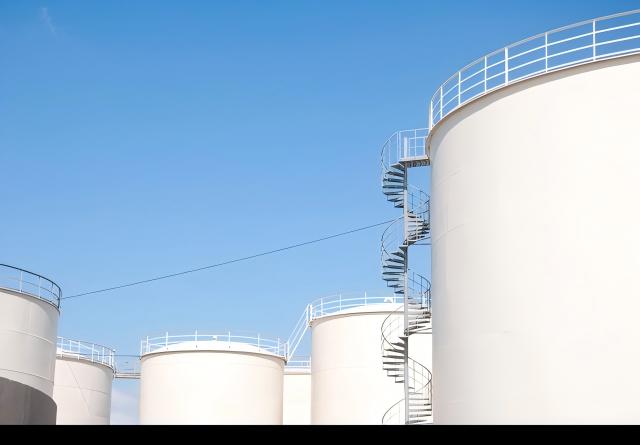
Spillover Impacts Across Global Commodity Markets
The crisis has sent ripples far beyond oil and gas. Over 30% of global urea trade, 20% of ammonia and phosphate trade, and half of global seaborne sulphur trade transits the Strait, creating significant risks for global food security and critical mineral refining. The Gulf region also accounts for 8% of global aluminium supply, with nearly all exports shipped through the Strait, threatening supply chains for manufacturing and renewable energy technologies. LNG markets have also been upended: Qatar’s Ras Laffan facility — the world’s largest liquefaction plant — has been offline since a March 2 attack, with LNG supplies from Qatar and the UAE down by over 300 million cubic meters per day, driving sharp price spikes in import-dependent Asian markets.
Energy Resilience Amid Geopolitical Volatility
This historic energy crisis underscores the critical importance of energy independence and resilience for households, businesses, and nations across Europe and North America. As global fossil fuel markets face unprecedented geopolitical volatility, distributed energy storage systems have emerged as a core solution to mitigate price shocks and supply disruptions. XIHO Battery, a leading provider of premium LiFePO4 battery systems for residential, commercial, and utility-scale energy storage, delivers reliable, future-ready energy resilience solutions for European and North American customers, reducing reliance on volatile global fossil fuel markets.
Welcome to contact us:
Inquiry more product details from the : Lithium Ion Battery Manufacturers
WhatsApp/Wechat/Mobile: +86 13332949210
Email: info@xihobattery.com
Website: www.xihobattery.com
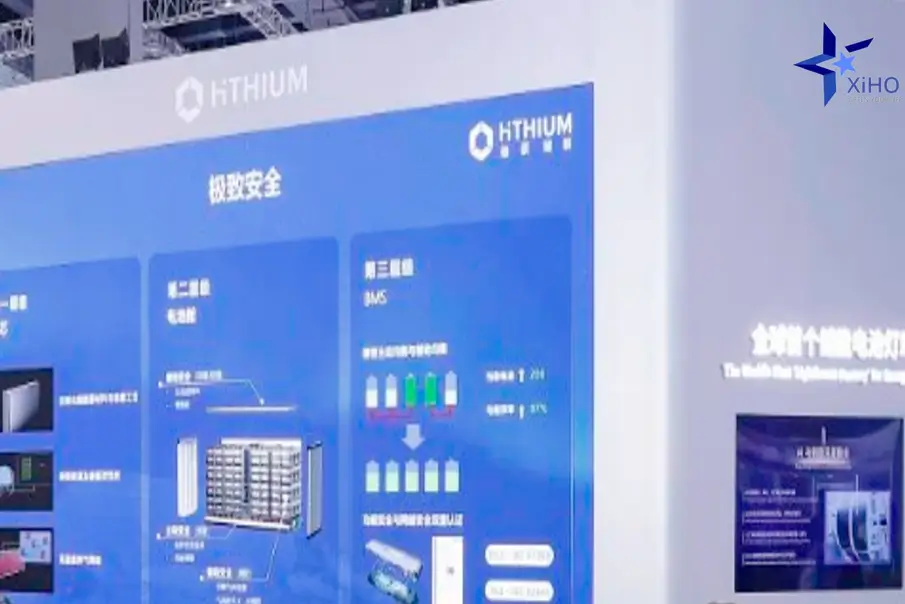 HiTHIUM Launches First Native 8-Hour LDES System at SNEC 2026
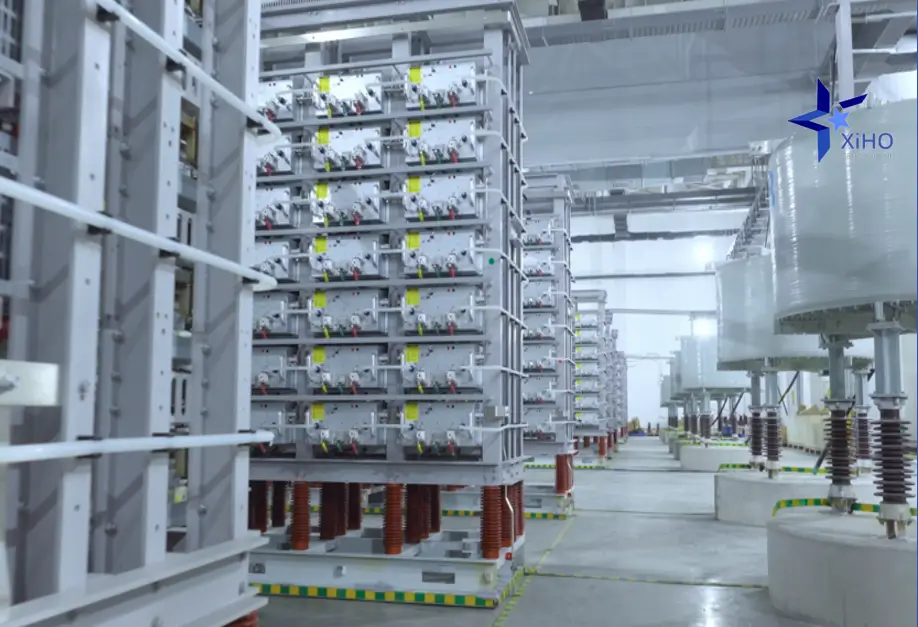 CATL Opens Massive New Energy Storage Test Lab in China
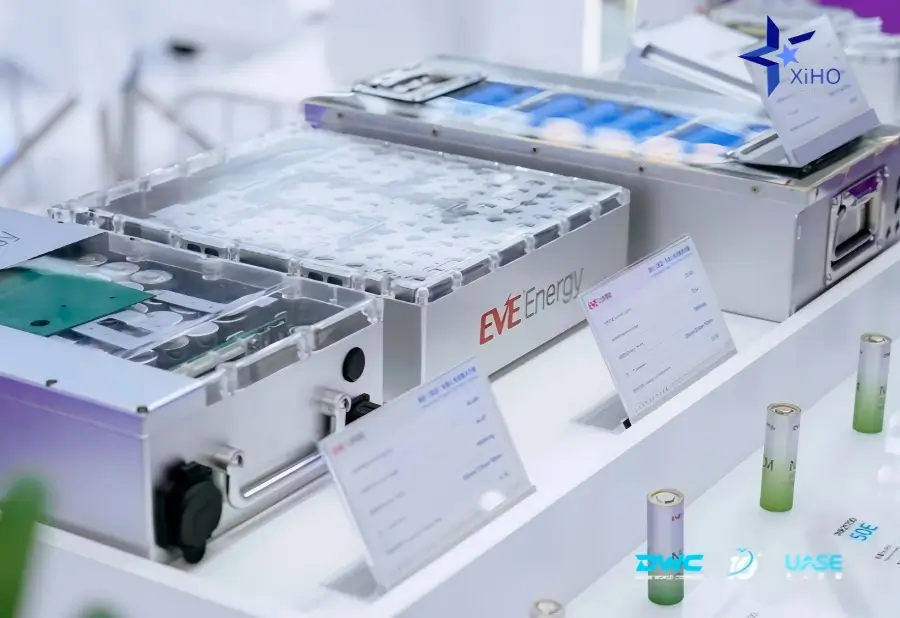 EVE Energy Showcases Energy Solutions at 2026 World UAV Expo

