Lithium battery testing usually includes three types: electrical performance, life, and safety and reliability testing. Reliability is directly related to user experience and safety. It mainly covers performance testing, safety testing, environmental adaptability testing and other aspects.
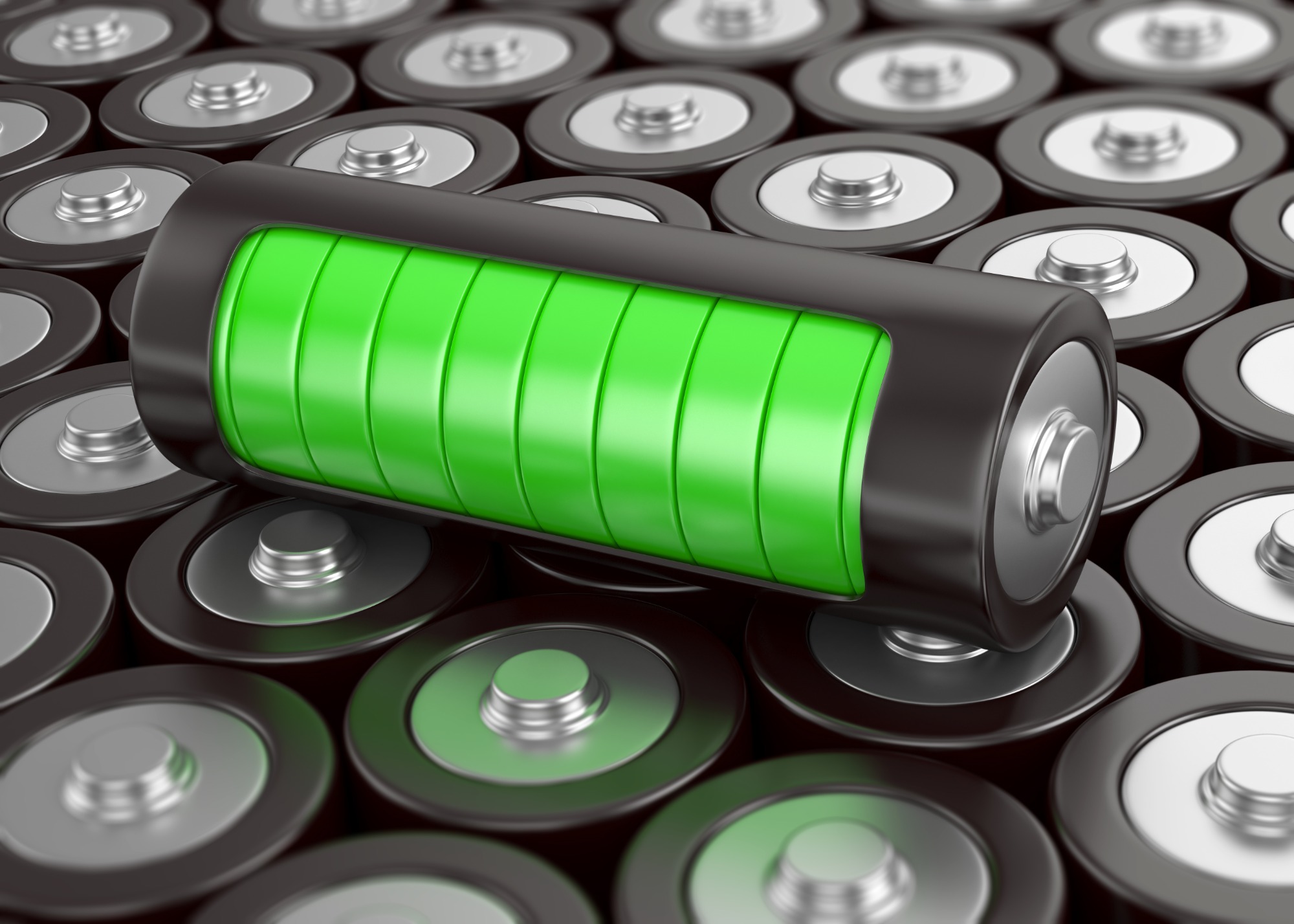
1. What is the reliability of lithium batteries?
The reliability of lithium batteries refers to their ability to continuously complete specified functions (such as stable power supply, no fire or explosion) under specified conditions (such as temperature, humidity, vibration) and within a specified time. This concept covers three key elements:
Environmental adaptability: performance stability under high temperature, low temperature or high humidity environments;
Cycle durability: the relationship between the number of charge and discharge cycles and capacity attenuation;
Safety threshold: failure protection capability under extreme conditions (such as vibration, overcharging).
2. What are the reliability tests for lithium batteries?
(1) Charge and discharge cycle test: verify life and capacity attenuation
By simulating the actual use scenarios of lithium batteries, hundreds to thousands of charge and discharge cycles are performed to monitor capacity and internal resistance changes. Common failure forms include particle breakage, lithium dendrite growth and increased internal resistance. For example, lithium iron phosphate batteries outperform traditional lithium-ion batteries in cycle life tests due to their stable chemical properties.
(2) Storage test: evaluate the long-term impact of the environment on the battery
Place the lithium battery in a high temperature and high SOC (state of charge) environment to accelerate aging and test risks such as electrolyte decomposition and SEI film thickening. Low temperature environments focus on the capacity reduction caused by decreased ion conduction efficiency.
(3) High temperature and high humidity (HTHE) test: moisture resistance and sealing challenges
Simulate a humid environment to detect battery casing corrosion, leakage and electrolyte water absorption risks. This test is particularly important for lithium batteries used in outdoor equipment.
(4) Temperature cycle test: structural stability under extreme temperature differences
Cyclic switching between extreme temperatures of -40℃ to 85℃ to test problems such as electrode detachment and seal failure caused by expansion and contraction of internal materials of lithium batteries. Some companies will superimpose the charging and discharging process to enhance the test intensity.
(5) Vibration test: reliability verification of transportation and use scenarios
By simulating the vibration frequency of transportation, the hidden dangers of loose connection and shell deformation of the battery are detected to ensure the safe operation of lithium batteries in bumpy environments.
3. Why is the lithium iron phosphate battery more favored in the test?
Thermal stability: less prone to thermal runaway at high temperatures;
Cycle life: can withstand more than 2,000 cycles, suitable for long-term energy storage scenarios;
Safety: no risk of dendrite growth, reducing the probability of short circuit and fire.
welcome to contact us:
Email: info@xihobattery.com
Website: www.xihobattery.com
Wechat/WhatsApp/Mobile: +86 13332949210

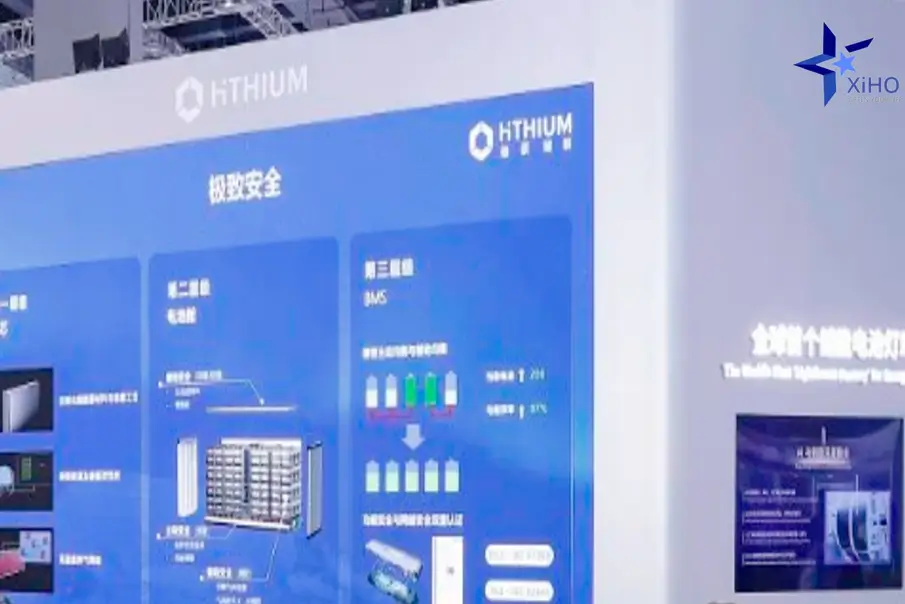 HiTHIUM Launches First Native 8-Hour LDES System at SNEC 2026
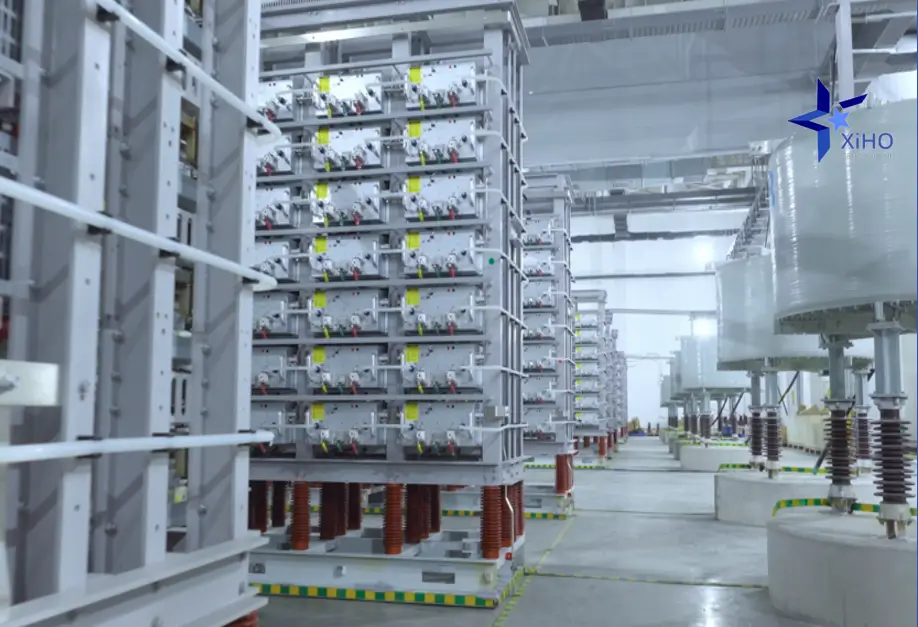 CATL Opens Massive New Energy Storage Test Lab in China
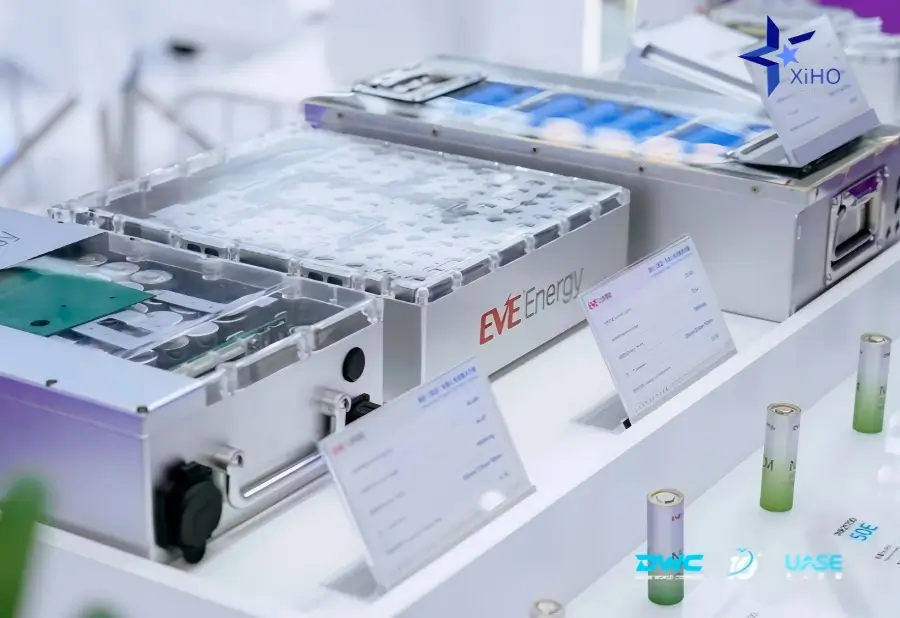 EVE Energy Showcases Energy Solutions at 2026 World UAV Expo

