
The global container freight index plummeted by 67% year-on-year in the third quarter of 2023, a figure like a sword of Damocles hanging over the heads of foreign traders, reflecting the severe pain that the industry is experiencing. The World Trade Organization (WTO) has lowered its forecast for global merchandise trade growth to 1.7% this year, but behind this seemingly bleak data, the new trade order is being reconstructed in fission.
一、When the supply chain restructuring is underway
Trade within NAFTA exceeded $1.6 trillion, and the share of intra-EU trade rose to 64%, revealing the paradox of "deglobalization" in global supply chains. Companies are starting to spread their eggs across different baskets: Mexico's exports to the U.S. are up 40% from pre-pandemic levels, and Vietnam's electronics industry transfer orders have tripled, and this strategy of "nearshoring" and "friend-shoring" is reshaping the international trade map. After a mechanical and electrical enterprise in Suzhou moved its assembly line to Hungary, the response speed of European orders was shortened from 45 days to 7 days, and this flexible layout will become the standard in the future.
二、The digital revolution has given rise to new shipping lanes
TikTok Shop's cross-border GMV exceeded the $10 billion mark, and behind this figure is a profound change in foreign trade channels. A jewelry company in Shenzhen achieved a single-day million-dollar transaction through TikTok live broadcast, and Dongguan machinery manufacturer used VR technology to let overseas customers "visit" the workshop to inspect the factory, these scenes are subverting the traditional foreign trade model. Digital service trade is growing at an average annual rate of 9%, and SHEIN's flexible supply chain system can compress the proofing cycle to 3 days, and this digital capability is reconstructing the value distribution chain.

三、Green barriers force transformation
The European Union's Carbon Border Adjustment Mechanism (CBAM) is about to be implemented, and this policy lever is leveraging the green revolution in the global manufacturing industry. A textile company in Ningbo lost an order from Walmart because it did not meet ESG standards, but opened a new market for ZARA after switching to water-based glue process. Tesla's green threshold of requiring suppliers to achieve 100% renewable energy by 2030 is reshaping the global value chain. Carbon tariffs not only bring cost pressure, but also Zhejiang photovoltaic companies through the layout of Southeast Asian production capacity, cleverly bypassing trade barriers, this green breakthrough strategy is worth learning.

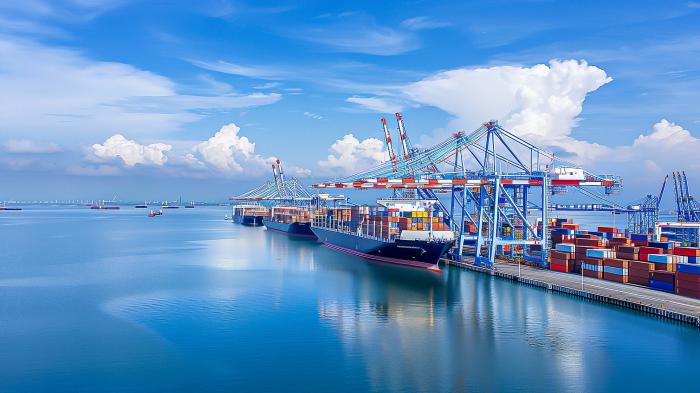
When the traditional path is gradually narrowing, the Chinese foreign trade corps is accelerating its breakthrough on the new channel. Gantry cranes at Yantian Port in Shenzhen are still working around the clock, but containers are no longer loaded with cheap goods, but also with digital services, green technology and flexible manufacturing capabilities. There are no spectators in this transformation, either riding the wave or being swallowed by it. Foreign traders need to adapt to the environment with the agility of a "chameleon", capture business opportunities with the tentacles of an "octopus", and find their own coordinates in the reconstructed trade map.
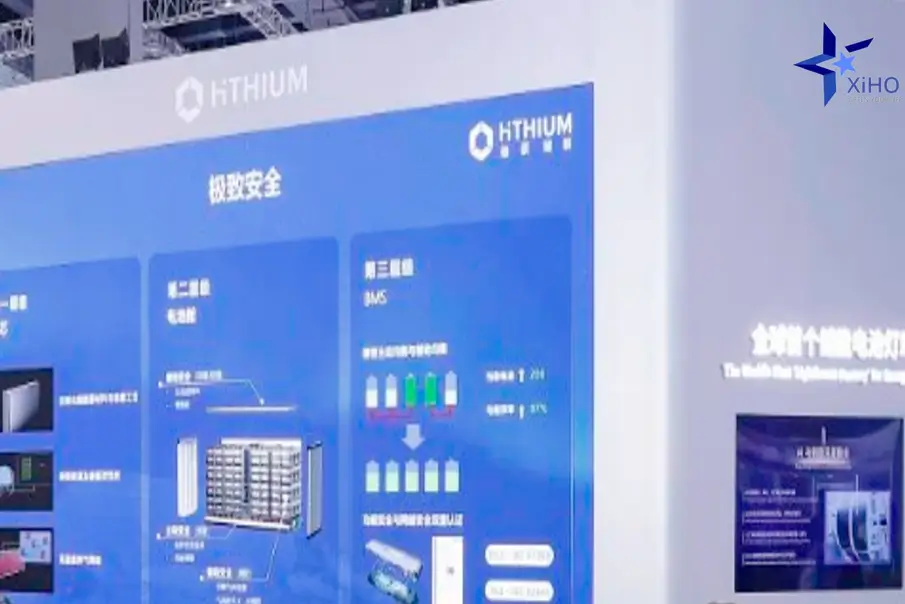 HiTHIUM Launches First Native 8-Hour LDES System at SNEC 2026
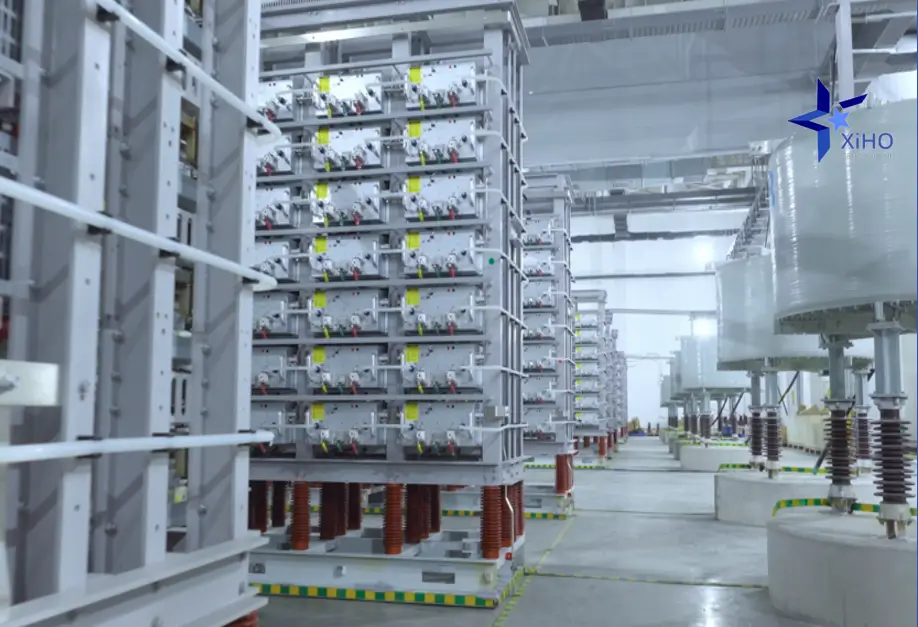 CATL Opens Massive New Energy Storage Test Lab in China
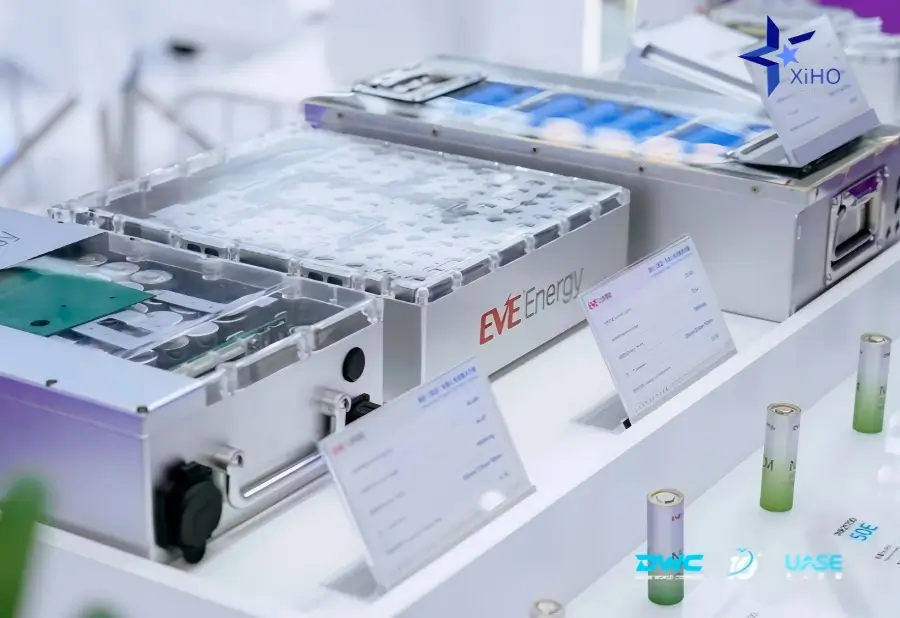 EVE Energy Showcases Energy Solutions at 2026 World UAV Expo

