When the global power battery loading volume is soaring at an annual growth rate of 40%, this trillion-dollar track is staging a more fierce industrial wrestling than the chip war. The robotic arm of CATL's Hungarian factory echoes Tesla's super production line in Nevada, outlining the hottest industrial map in the new energy era.
一、Extreme climbing on the technical cliff
The mass production yield of 4680 batteries is stuck in the technical bottleneck of 65%, revealing that the lithium battery industry is experiencing the "Moore's Law" failure crisis. China Innovation Airlines has increased the energy density of lithium iron phosphate to 210Wh/kg through topological gel electrolyte, and Honeycomb Energy's dragon scale armor battery has achieved a 4C fast charging cycle life of more than 3,000 times, these technological breakthroughs are reshaping the industrial ceiling. However, the dawn of the solid-state battery industry is still hazy, and Huineng Technology's announcement that its mass production plan in 2024 has encountered electrolyte crystallization problems, indicating that there is still a gap from the laboratory to the production line.
二、The logic of dark warfare in the resource territory
Indonesia's nickel ore export tariffs have soared from 0 to 10%, and behind this figure is the anxiety of the lithium battery industry chain. CATL's nickel-cobalt-manganese recycling network through the Bangpu cycle can increase the recycling rate of battery materials to 99.3%, and this "urban mine" strategy is rewriting the rules of resource competition. The U.S. IRA bill keeps Chinese-made battery modules out of subsidies, but it has given rise to Gotion Hi-Tech's roundabout tactic of investing $2.4 billion to build a factory in Michigan. When Chile increased the nationalization ratio of lithium mines to 51%, Ganfeng Lithium's switch to the layout of Mali lithium mines revealed the cunning wisdom of the resource game.
三、The second growth curve is a life-and-death race
The demand for lithium batteries in the energy storage market has grown by 78%, and this blue ocean is becoming a battleground. BYD's blade battery achieves a kWh cost of 0.5 yuan/Wh in a Brazilian energy storage power station, and Sungrow's 1500V energy storage system reduces LCOS to 0.2 yuan/kWh, these figures reconstruct business logic. However, the emergence of sodium-ion batteries has brought variables, and CATL claims that the cost of sodium batteries can be reduced by 30%, but it exposes the shortcomings of energy density in low-temperature performance tests. The rise of the battery banking model has triggered a revolution in business models, and NIO's battery swap station network has accumulated more than 2 million battery assets, and this "battery as a service" ecosystem may subvert the value distribution of the industry.
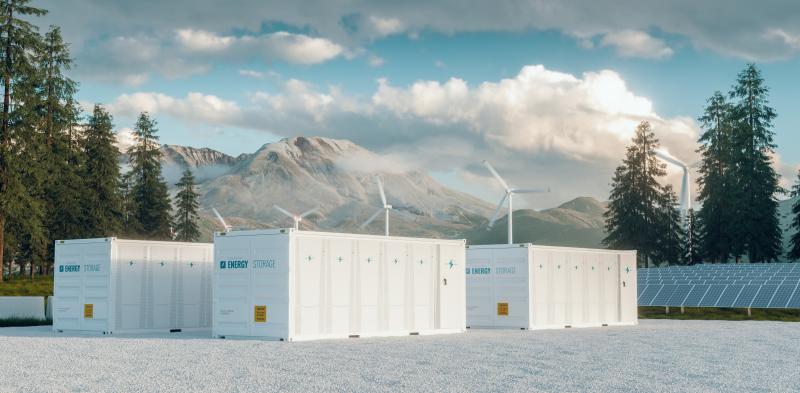
The smoke of the lithium battery industry has never been so strong, and the triple wave of technological breakthroughs, geopolitical games, and model innovation has turned this marathon into an obstacle race. When the European Union announced a complete ban on the sale of fuel vehicles in 2035, the Chinese battery corps at the Geneva Motor Show had occupied half of the booth. There is no finish line in this race, only an ever-evolving track. As Zeng Yuqun of CATL said: "We are not building batteries, we are weaving neural networks in the new energy era." "In this battlefield of reconstructing the energy order, only players with both technological innovation, global resource integration and business model imagination can take off the pearl in the crown of new energy.


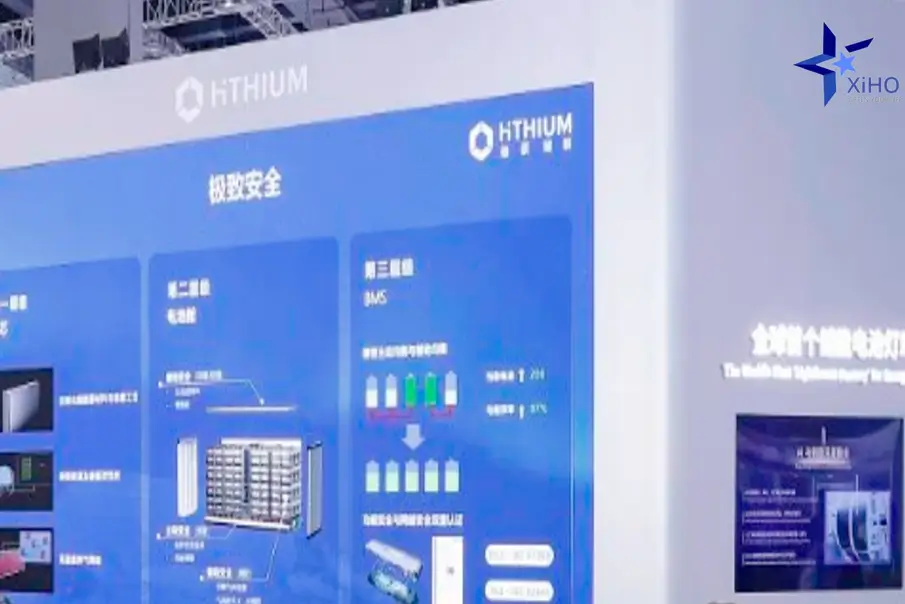 HiTHIUM Launches First Native 8-Hour LDES System at SNEC 2026
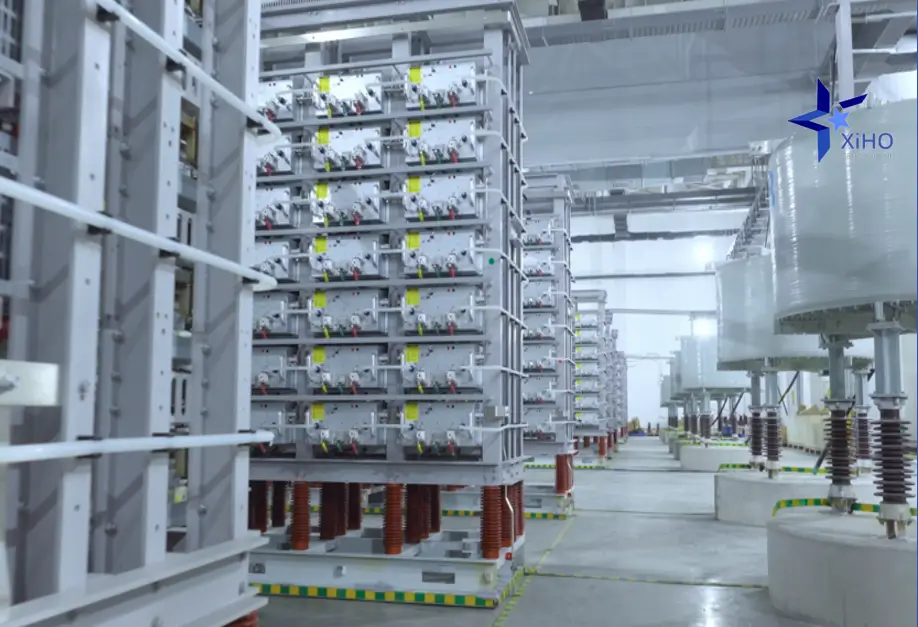 CATL Opens Massive New Energy Storage Test Lab in China
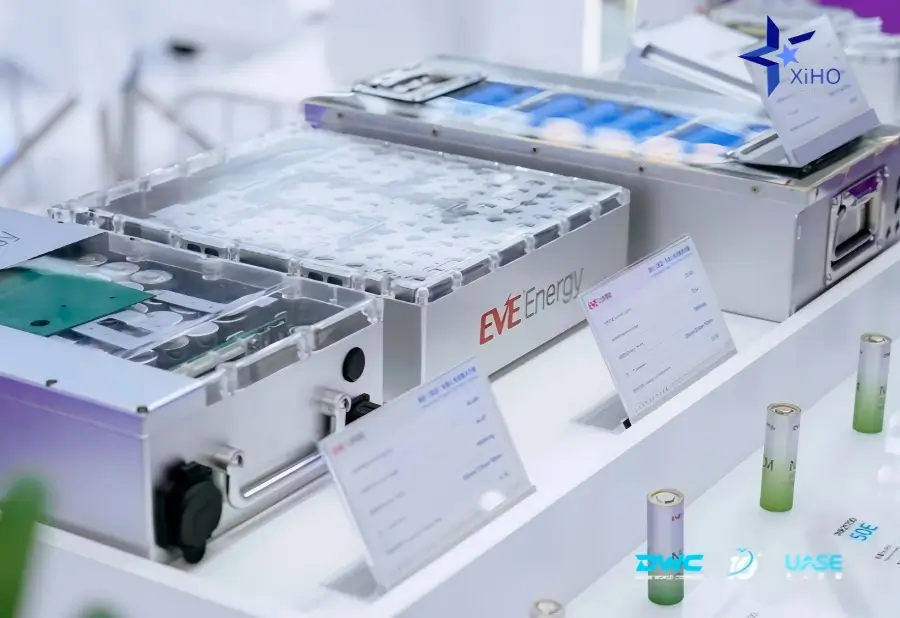 EVE Energy Showcases Energy Solutions at 2026 World UAV Expo

