
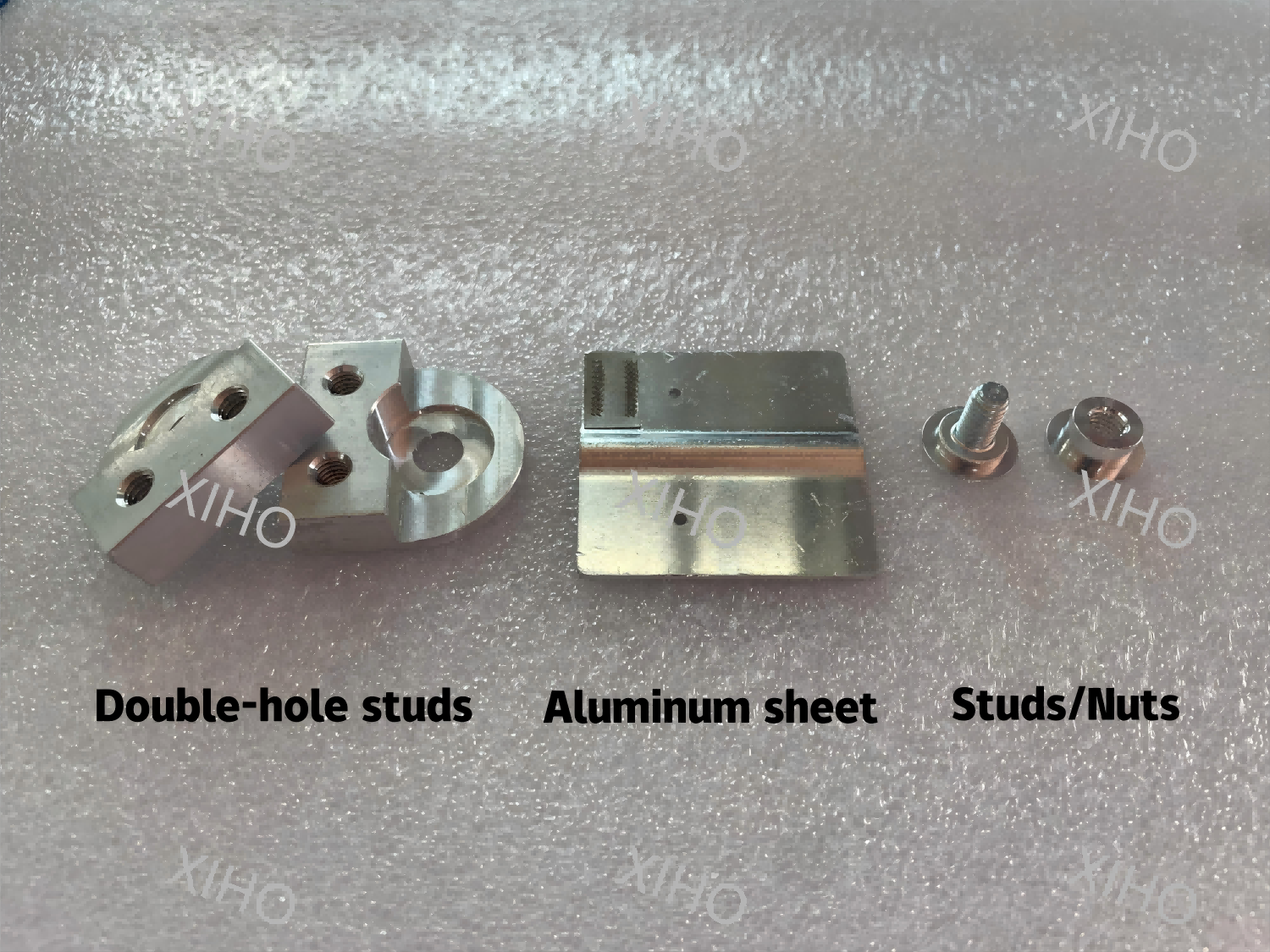
For prismatic aluminum shell batteries, the two most commonly used welding methods on the poles can be divided into two types, one is welding studs/nuts,the other is welding aluminum sheets.
What are the differences in their advantages, disadvantages and application sites?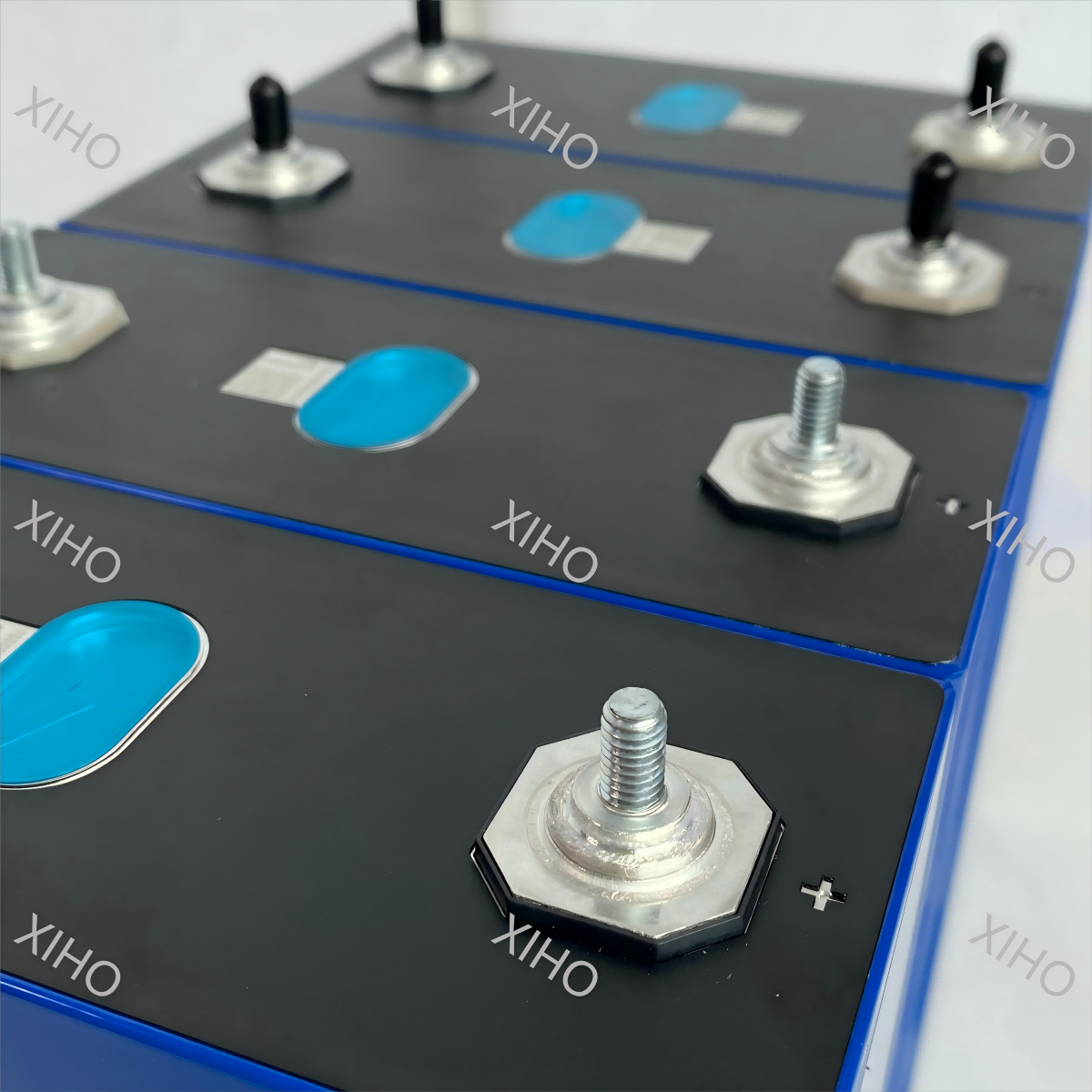
Studs/nuts:
Advantages: flexible assembly, convenient for later maintenance
Disadvantages: relying on the bottom aluminum sheet for conductivity, small contact area (meaning small overcurrent)
Suitable for applications: photovoltaic, wind power generation, energy storage and other fixed places.

Aluminum sheet:
Advantages: stable, large contact area
Disadvantages: fixed connection, inconvenient for later maintenance
Suitable for applications: electric vehicles, two-three wheeled mobile vehicles
How do we choose the right welding method?
1. According to your current requirements.
For ordinary energy storage batteries, since they generally only require small currents, M6, M8 studs and nuts can fully meet the use requirements of the battery.
But if your battery needs to meet the requirements of excessive current, you need to consider aluminum sheets or double-hole studs.
2. According to your application.
For electric vehicle batteries, we recommend aluminum sheet welding because studs and nuts have poor shock resistance. If the studs fall off, short circuits are likely to occur, causing safety problems. The above situation only represents the risks of using studs and nuts in vehicles, does not mean that studs and nuts must not be used in vehicle batteries.
 HiTHIUM Launches First Native 8-Hour LDES System at SNEC 2026
 CATL Opens Massive New Energy Storage Test Lab in China
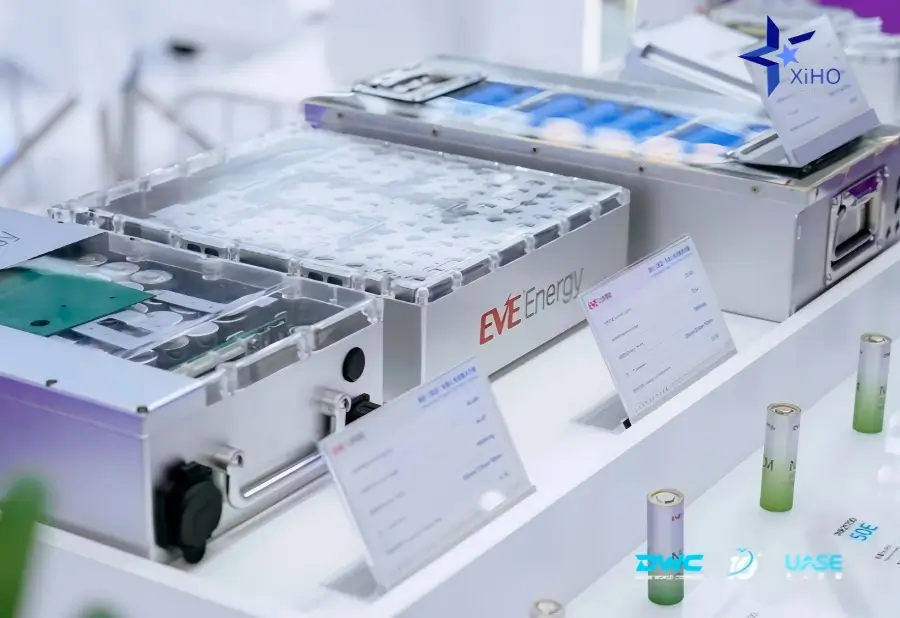 EVE Energy Showcases Energy Solutions at 2026 World UAV Expo

