
Understanding the Early Cycle Degradation of LiFePO4 Batteries and How to Improve It
1. Introduction
Recent studies on LiFePO4 batteries have mainly focused on their degradation over the entire lifecycle, but the causes of early-cycle capacity loss have received less attention. Early degradation mechanisms such as impedance increase, electrolyte consumption, and electrode material detachment are often overlooked. This blog delves into the factors contributing to early cycle degradation in LiFePO4 cells and compares these results with ternary lithium batteries to understand the differences.
2. Early Cycle Degradation Analysis
In an experiment comparing LiFePO4 and NCM811 batteries, it was found that LiFePO4 experienced faster degradation in the first 200 charge-discharge cycles at 60°C, showing a capacity retention of 95%, compared to 97% for NCM811. This disparity is largely attributed to the initial efficiency differences in the positive electrode materials, which leads to faster lithium loss in LiFePO4 batteries during early cycles.
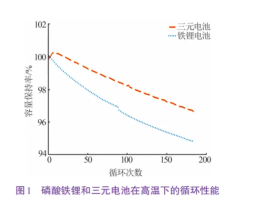
Experiments demonstrated that the lithium loss in LiFePO4 is primarily used to repair the SEI membrane. As the SEI membrane stabilizes, the degradation rate slows down, suggesting that the initial high degradation rate is due to the repair of this membrane, not from other factors like electrode corrosion.

3. Factors Influencing Early Degradation
The degradation of LiFePO4 batteries in the early cycles is linked to the destruction and repair of the SEI membrane. Several key observations were made:
· During the initial cycles, the capacity loss is unrelated to polarization, as evidenced by consistent results at different charge currents.
· The expansion of the negative electrode, which is driven by the lithium insertion-extraction process, leads to SEI membrane disruption and accelerates capacity loss.
· The SEI membrane formation consumes lithium, further exacerbating the degradation in the early stages.
4. Proposals for Improvement
To address these issues, several strategies were tested to improve early-cycle performance:
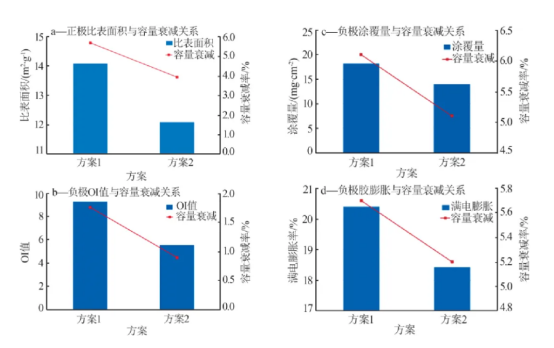
· Reducing Positive Electrode Surface Area: By lowering the surface area of the positive electrode, side reactions are minimized, reducing the consumption of active lithium and slowing down the degradation.
· Minimizing Negative Electrode Expansion: Controlling the expansion of the negative electrode during cycling helps to preserve the SEI membrane and reduce lithium consumption.
· Optimizing Binder and Electrode Composition: Reducing the expansion of the binder material and controlling the orientation of graphite particles (indicated by the OI value) can further minimize the damage to the SEI membrane.
5. Conclusion
The early cycle degradation of LiFePO4 batteries is primarily due to the consumption of active lithium in repairing the SEI membrane. By optimizing electrode materials and improving the SEI membrane's stability, the degradation rate can be reduced. This research offers valuable insights into improving the early-cycle performance of LiFePO4 batteries, with practical implications for enhancing the longevity and efficiency of these cells in real-world applications.
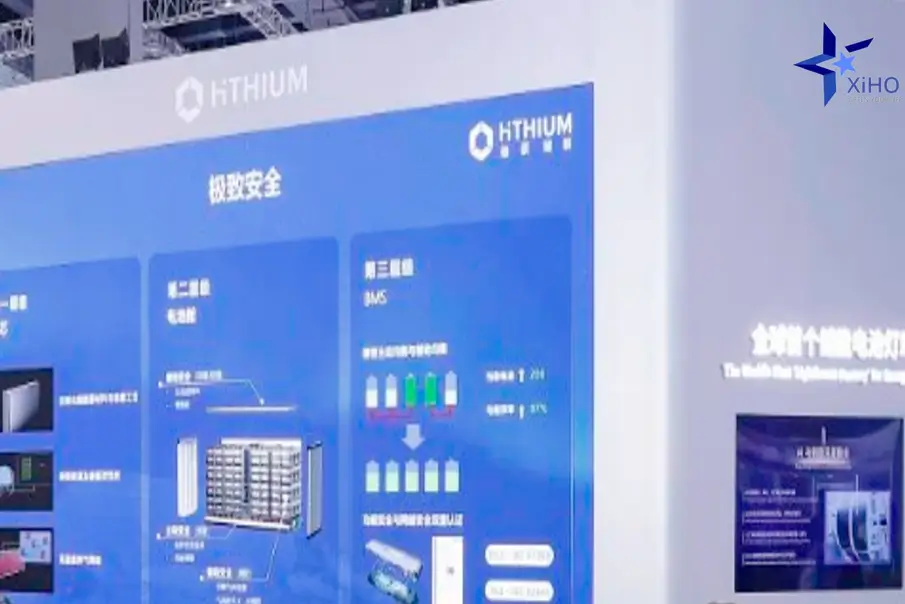 HiTHIUM Launches First Native 8-Hour LDES System at SNEC 2026
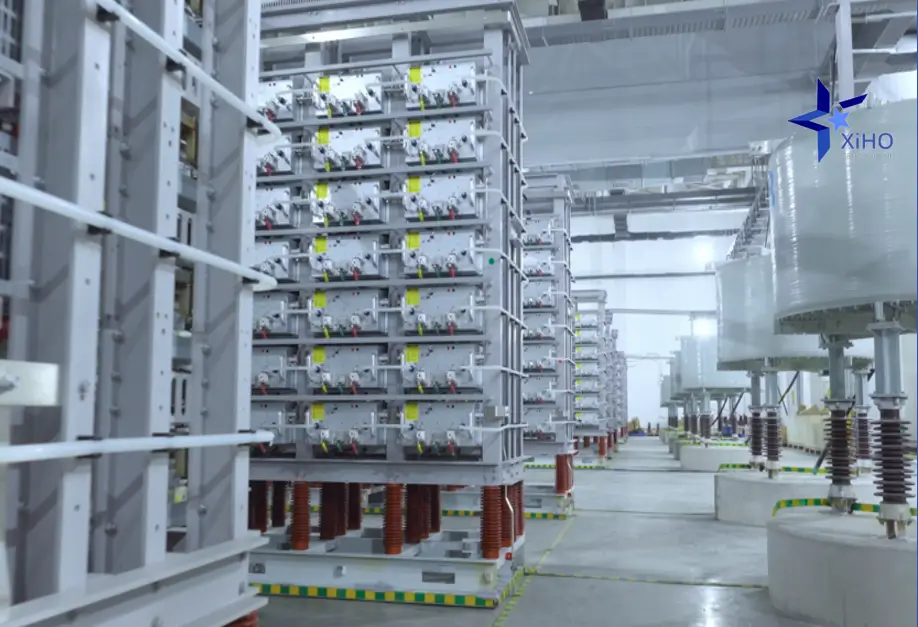 CATL Opens Massive New Energy Storage Test Lab in China
 EVE Energy Showcases Energy Solutions at 2026 World UAV Expo

