
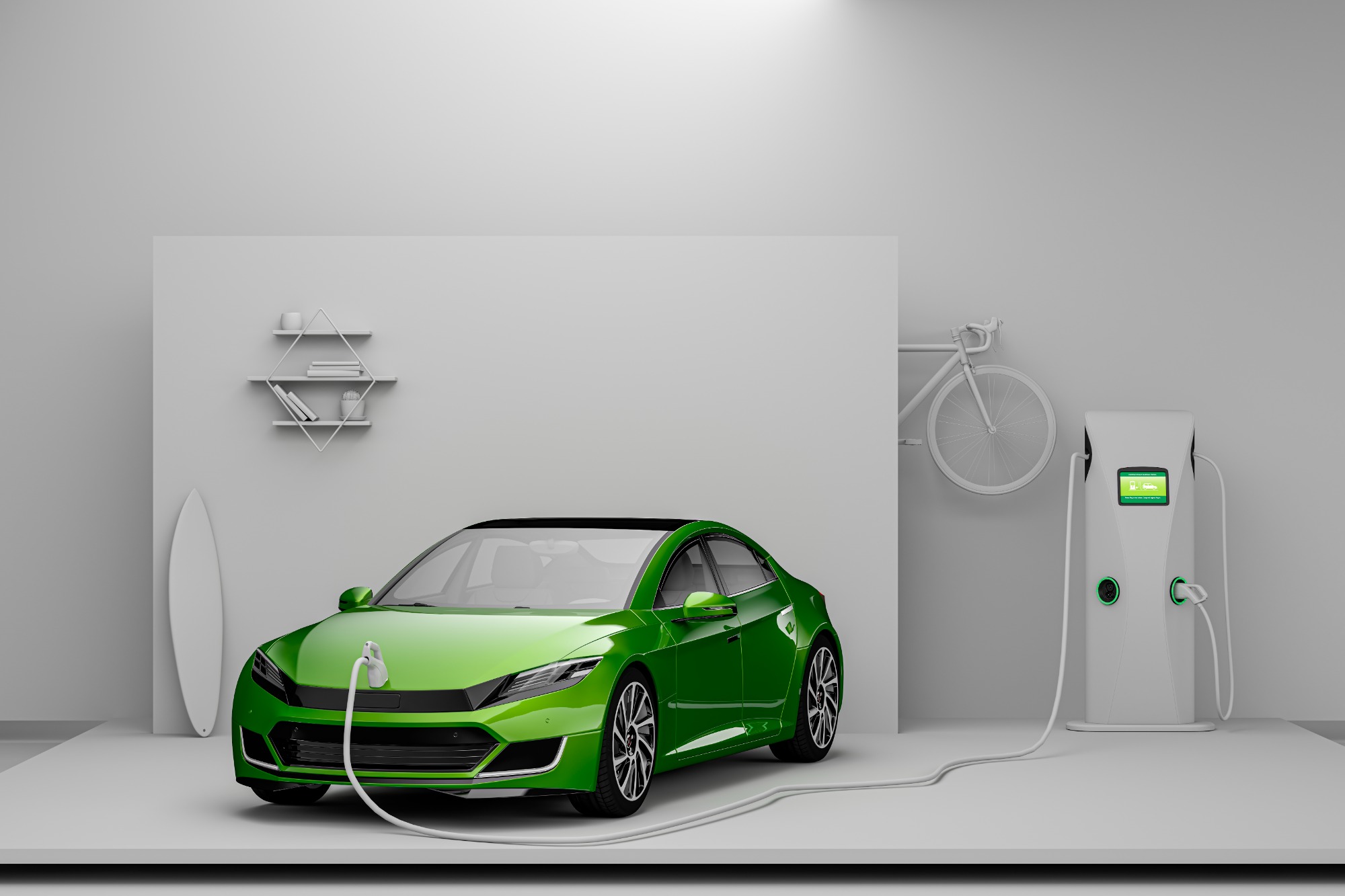
The advantages of solid-state batteries are high specific energy and high voltage. First of all, the solid electrolyte has high mechanical strength, which can prevent lithium dendrites from puncturing, and the energy density can be increased to 400W·h/kg. The current best-performing liquid ternary lithium battery has an energy density of 255W·h/kg, while lithium iron phosphate has only 140-160W·h/kg. In addition, solid-state electrolytes also support higher electrode voltages, and the energy density can even be increased to 600W·h/kg by properly matching high-voltage electrode materials. The advantages of solid-state batteries in terms of energy density are unparalleled.
(2) Lower probability of spontaneous combustion
In terms of safety, liquid batteries are more prone to spontaneous combustion because their internal structure is more complex and their internal materials are not resistant to high temperatures, and the batteries have extremely high requirements for heat dissipation. Solid-state batteries are different. Solid-state batteries do not have the diaphragms and solid electrolyte layers of traditional batteries, so there is no high-temperature short circuit problem of traditional liquid batteries. Moreover, solid-state electrolytes can withstand temperatures of over 200°C, or even higher, so even if the battery is thermally runaway, the probability of spontaneous combustion of solid-state batteries will be lower. More importantly, even if spontaneous combustion occurs, solid-state batteries release much less heat than liquid batteries.
2. Why is solid-state battery so difficult to produce?
(1) Poor charging and discharging performance
The ionic conductivity of solid electrolytes is only 1/10 to 1/100 of that of liquid electrolytes. For example, if the charging rate of liquid batteries can reach 10C, solid-state batteries cannot even reach 1C. Therefore, even if it has a high energy density, it is difficult to meet the needs of most electric vehicles.
(2) Short cycle life
In addition to the low charge and discharge power, the current cycle life of solid-state batteries is not as good as that of liquid batteries. The interface between the solid electrolyte and the electrode is prone to cracks during charging and discharging, resulting in accelerated capacity decay. In contrast, the cycle life of liquid lithium iron phosphate batteries can reach 6,000 times, while solid-state batteries can only barely reach 2,000 to 3,000 times. From the user's perspective, although pure solid-state batteries can provide longer battery life, they do not extend the service life of electric vehicles because of their short cycle life.
(3) Very high cost
According to relevant estimates, the material cost of solid-state batteries is 1.5-2.5 yuan/W·h. In comparison, the current mainstream lithium iron phosphate material cost is less than 0.5 yuan/W·h, and ternary lithium is 0.6-0.7 yuan/Wh. For the same battery capacity, the material cost of the two is less than half of that of solid-state batteries.
Pure solid-state batteries are undoubtedly the most disruptive technology in the field of new energy vehicles. However, based on the current level of technology, pure solid-state batteries have not completely overcome problems such as low charging and discharging power, short cycle life, and high cost. Therefore, it will take a long time for pure solid-state batteries to be popularized.
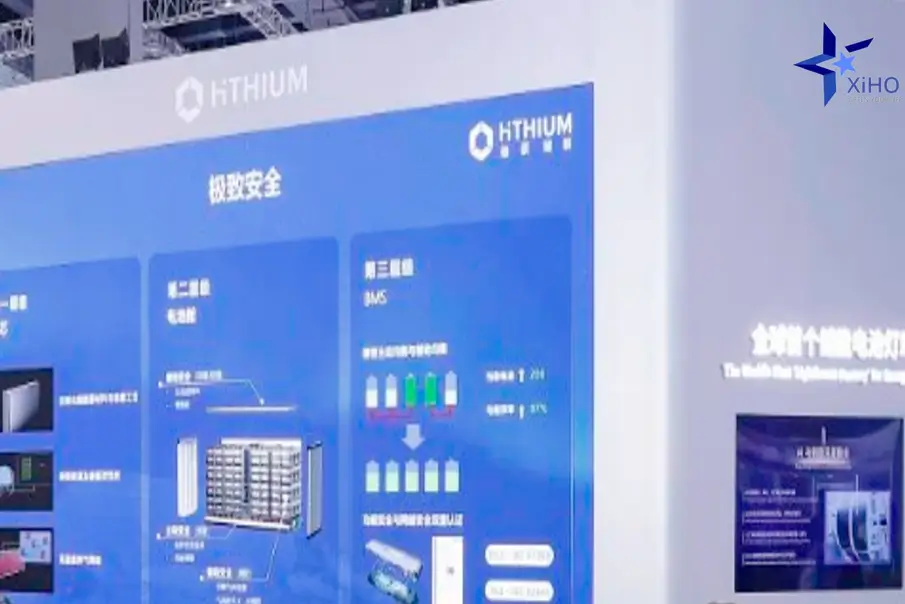 HiTHIUM Launches First Native 8-Hour LDES System at SNEC 2026
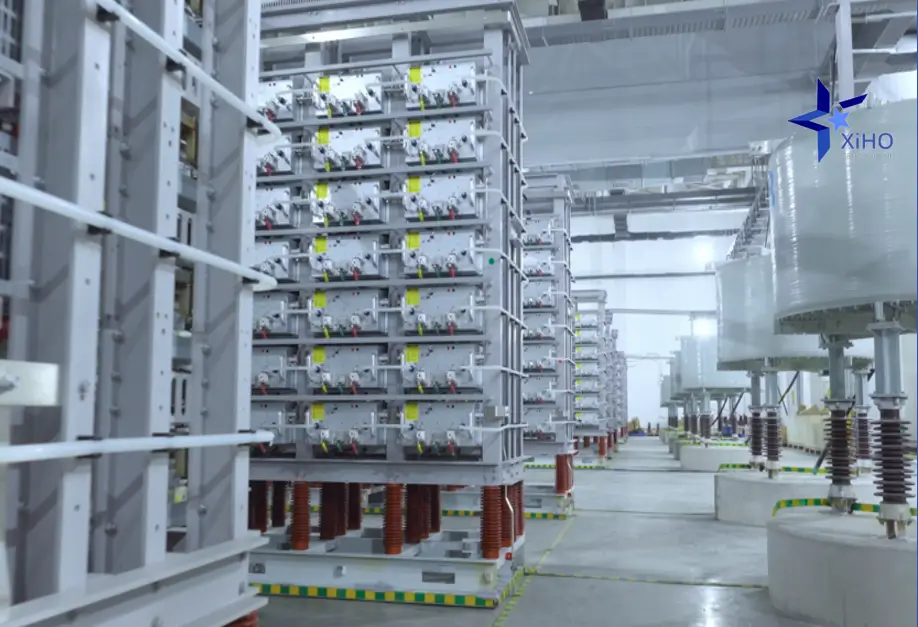 CATL Opens Massive New Energy Storage Test Lab in China
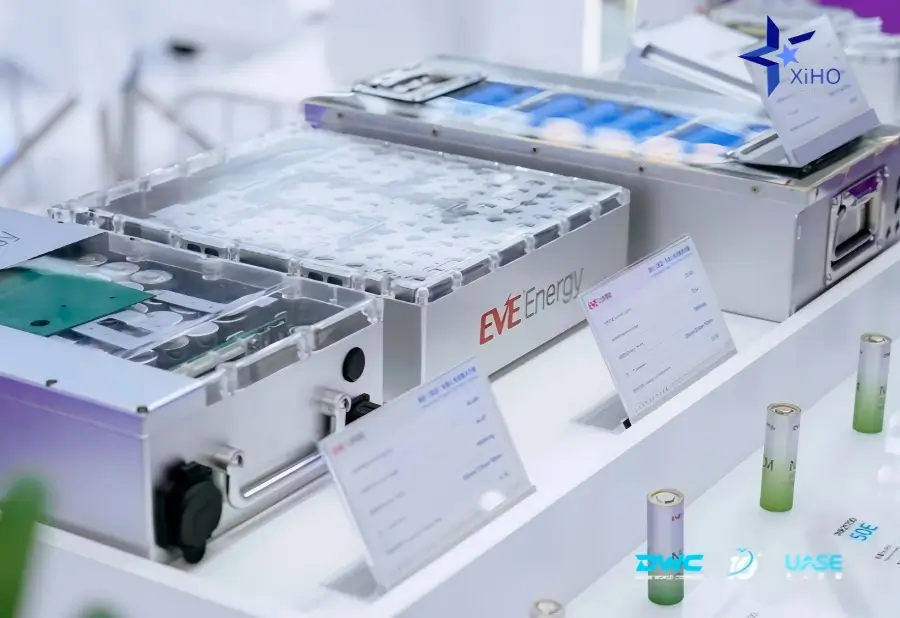 EVE Energy Showcases Energy Solutions at 2026 World UAV Expo

