In the entire life cycle of lithium batteries, the increase of internal resistance is one of the core challenges that lead to performance degradation. Especially for lithium iron phosphate batteries that pursue long cycle life, abnormal growth of internal resistance will not only accelerate capacity decay, but also may trigger the risk of thermal runaway. This article will deeply analyze the multi-dimensional impact of increased internal resistance and propose a systematic solution.
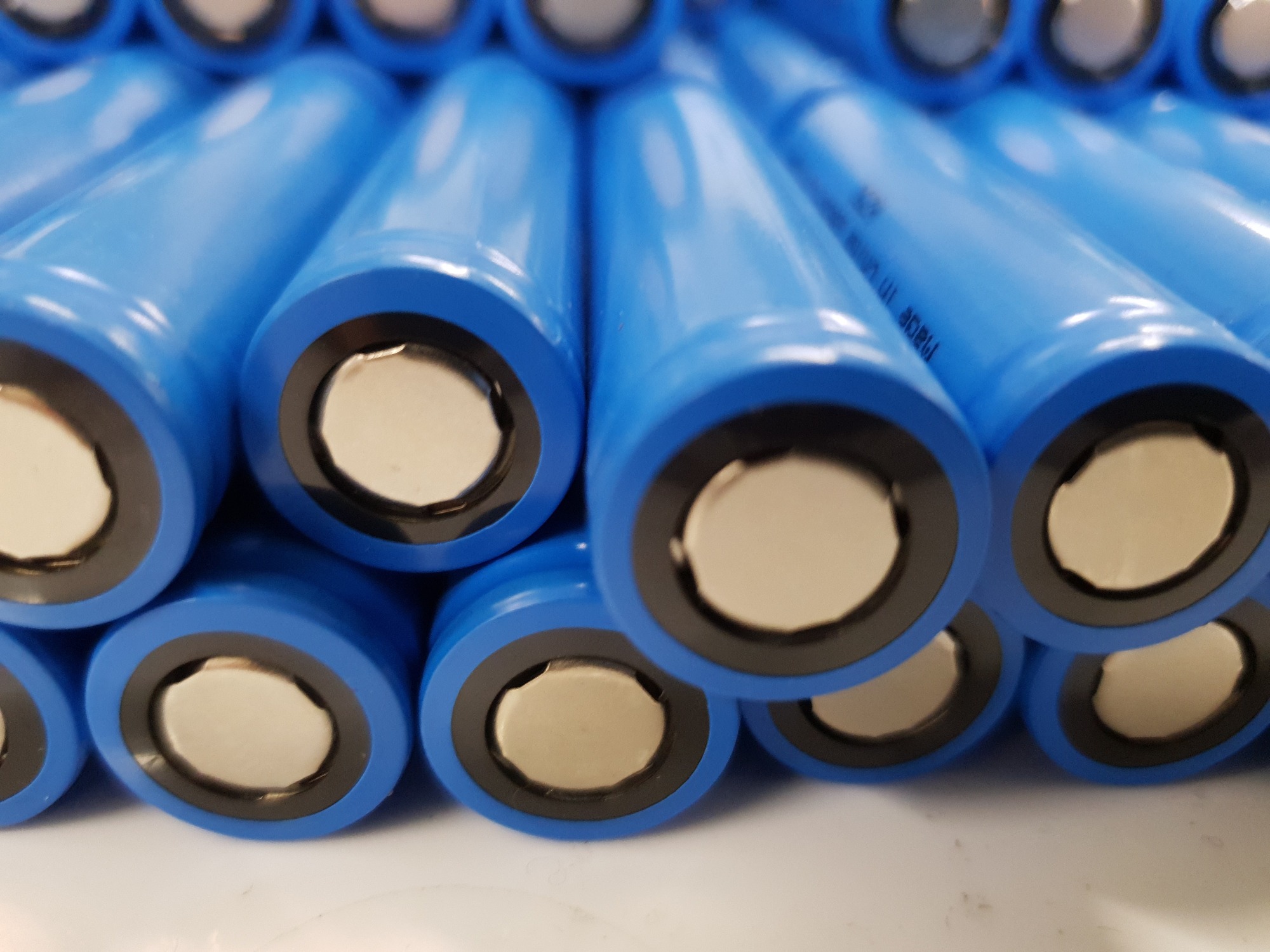
1. Impact of increased internal resistance on lithium-ion battery performance
(1) Performance and efficiency degradation
Energy efficiency shrinks:Take a 100Ah lithium iron phosphate battery pack as an example. When the internal resistance increases from 50mΩ to 70mΩ, the Joule heat loss in the charge and discharge cycle increases by 36%, and the system's available energy decreases by about 5%. The actual test data of a certain car company shows that the battery pack with abnormal internal resistance has a range decay of up to 22% in a low temperature environment (-20℃).
Power output is limited:High internal resistance causes the terminal voltage to drop sharply during large current discharge. If the internal resistance of a lithium iron phosphate battery exceeds 100mΩ under the rapid acceleration condition of an electric vehicle, the BMS may trigger the current limiting protection, causing the motor output power to drop by 30%, which directly affects the driving performance.
(2) Increased risk of thermal runawayAccording to Joule's law (Q=I²R), for every 10mΩ increase in internal resistance, the Joule heat power increases by 21% at the same current. Experiments show that when the internal resistance of a lithium iron phosphate battery increases from 80mΩ to 120mΩ, the local temperature rise rate can reach 8℃/min, and the risk of thermal runaway increases exponentially when the SEI film decomposes and produces gas.
(3) Decreased lifespan and reliability
Cycle life "halved":Lithium iron phosphate batteries with an internal resistance growth rate exceeding 20% have a capacity decay rate 1.8 times faster than normal batteries.
Module "barrel effect" intensified:When the difference in internal resistance of a single cell exceeds 15% (ΔR>15%), the overall capacity decay rate of the module increases by 40%.
2. Countermeasures and suggestions for dealing with increased internal resistance
(1) Materials and processes
Research and development of new materials: Researchers should focus on developing more stable positive and negative active materials to improve electronic conductivity and structural stability. At the same time, they should develop new electrolytes with high ionic conductivity, low viscosity and low decomposition resistance, as well as optimize the formation mechanism of SEI film.
Optimize manufacturing process: During the battery manufacturing process, strictly control the fluctuation range of the electrode surface density to ensure that the electrolyte can fully penetrate into the pores of the diaphragm, thereby reducing the internal resistance of the battery.
(2) Use and maintenance
Reasonable use: Avoid overcharging or overdischarging the battery, and keep the battery charge state within a reasonable range. At the same time, pay attention to the ambient temperature and avoid using the battery for a long time in a high or low temperature environment. If it is in a low temperature environment, appropriate heating measures can be taken; if it is in a high temperature environment, heat dissipation should be done well.
Regular maintenance: Perform internal resistance tests and performance evaluations on the battery regularly to promptly detect the trend of increasing internal resistance of the battery and take timely measures if any abnormality is found.

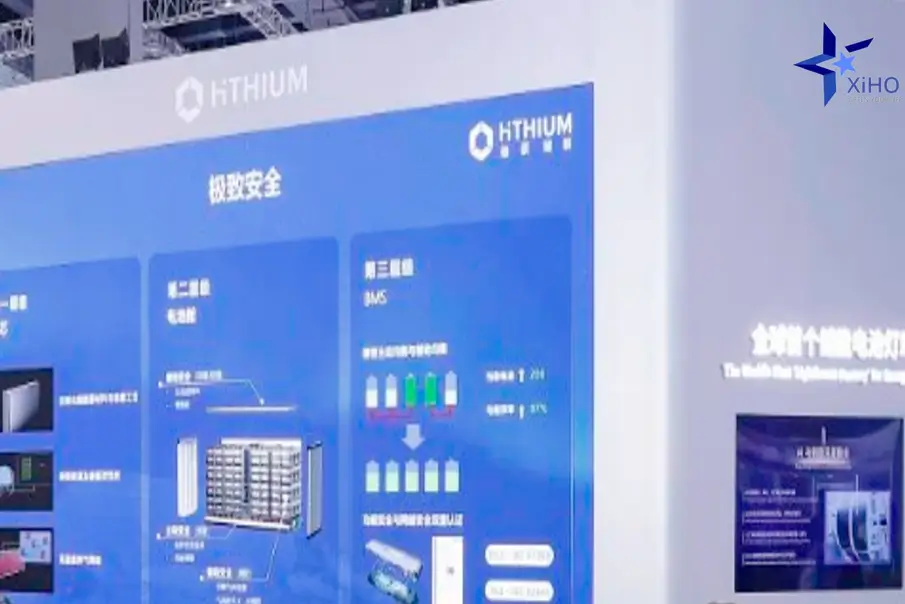 HiTHIUM Launches First Native 8-Hour LDES System at SNEC 2026
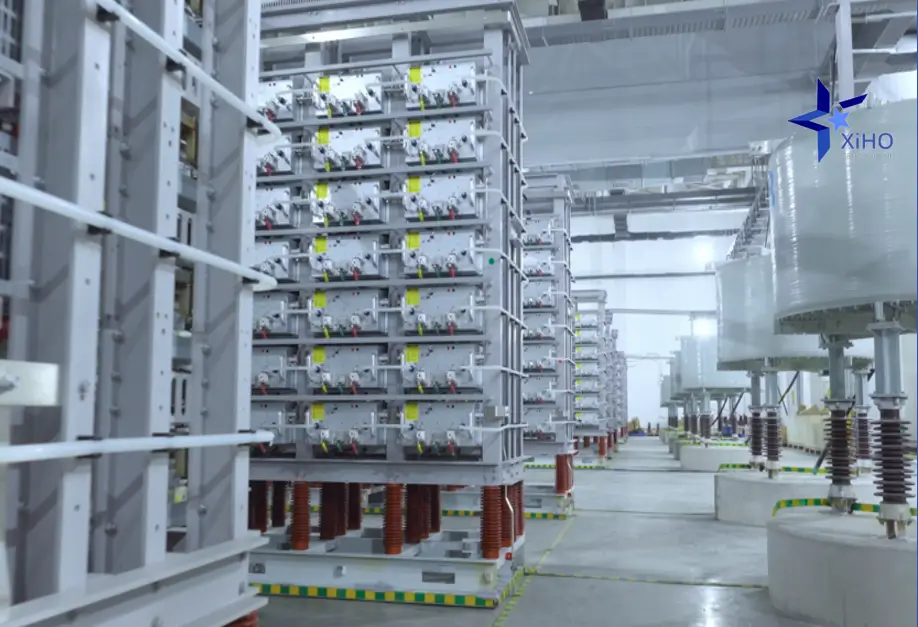 CATL Opens Massive New Energy Storage Test Lab in China
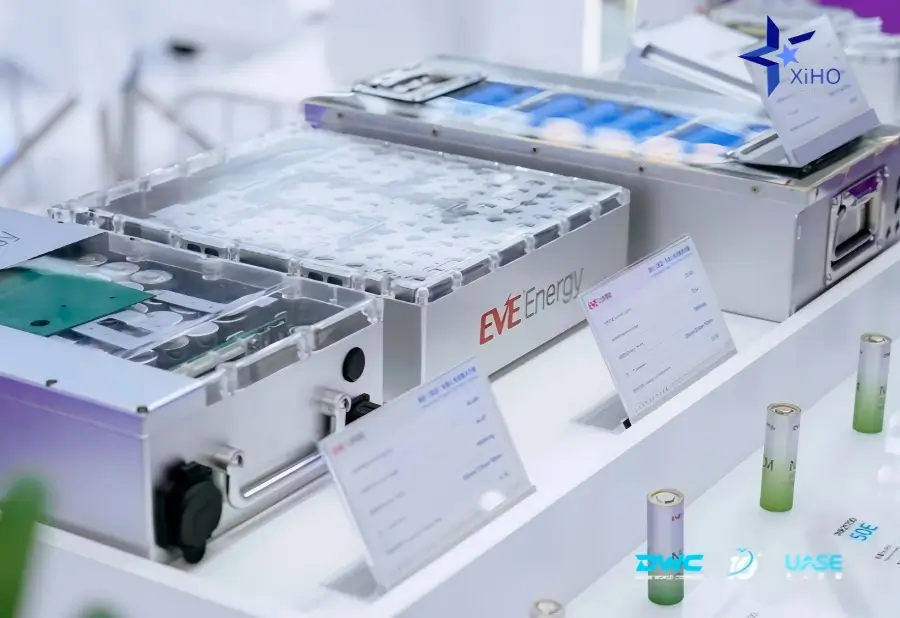 EVE Energy Showcases Energy Solutions at 2026 World UAV Expo

