Sodium ion battery: Under the competition of industrialization, dual track parallel sodium ion batteries are considered a potential substitute for lithium-ion batteries due to their abundant resources and low cost. At present, the two major technological systems - layered oxides and polyanions - are moving towards industrialization along different paths.
Layered oxide system: the "icebreaker" of low-speed electric vehicles. The energy density of the layered oxide system has exceeded 160Wh/kg, approaching the level of lithium iron phosphate batteries. Enterprises represented by Zhongke Hai Sodium have made progress in the pilot stage, and their sodium batteries have completed demonstration operation in the field of low-speed electric vehicles, with charging and discharging performance and cycle stability close to practical needs. However, large-scale production still faces challenges in cost control and process consistency. For example, the layered structure of the positive electrode material for sodium batteries is sensitive to humidity and needs to be produced in a dry environment, which places higher demands on equipment and processes.

Polyanion system: a "long-distance runner" in the field of energy storage. Polyanion systems have shown great potential in the field of energy storage due to their over 3000 cycle life and excellent safety. The laboratory results of CATL show that the rate performance of its polyanion sodium battery can meet the energy storage needs of the power grid. But the bottleneck of this system lies in the high complexity of material synthesis, such as the high cost of vanadium based polyanion materials, and the need to explore alternative solutions for inexpensive elements such as iron and manganese. How to shift from the "ideal performance" of the laboratory to the "economic feasibility" of large-scale production is the focus of the next stage of research and development.

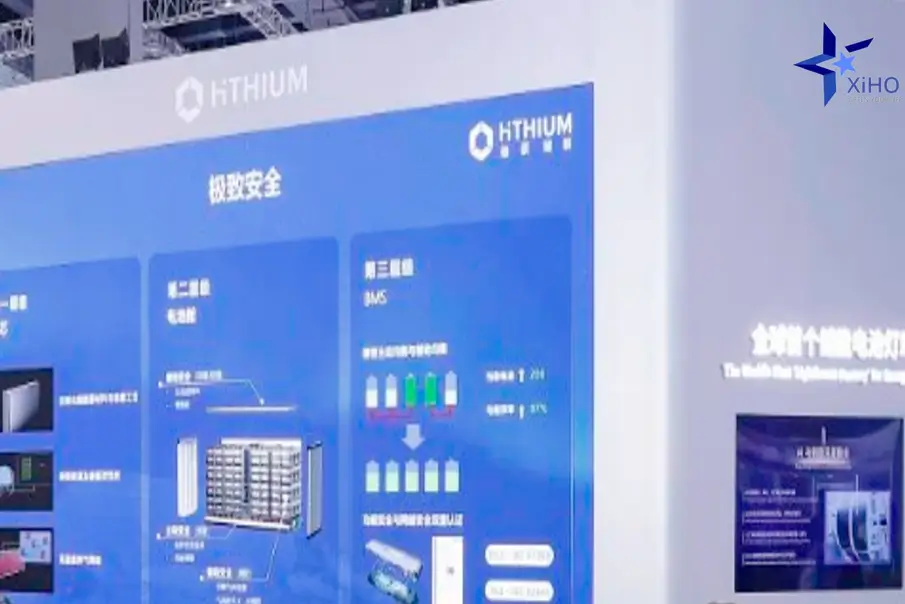 HiTHIUM Launches First Native 8-Hour LDES System at SNEC 2026
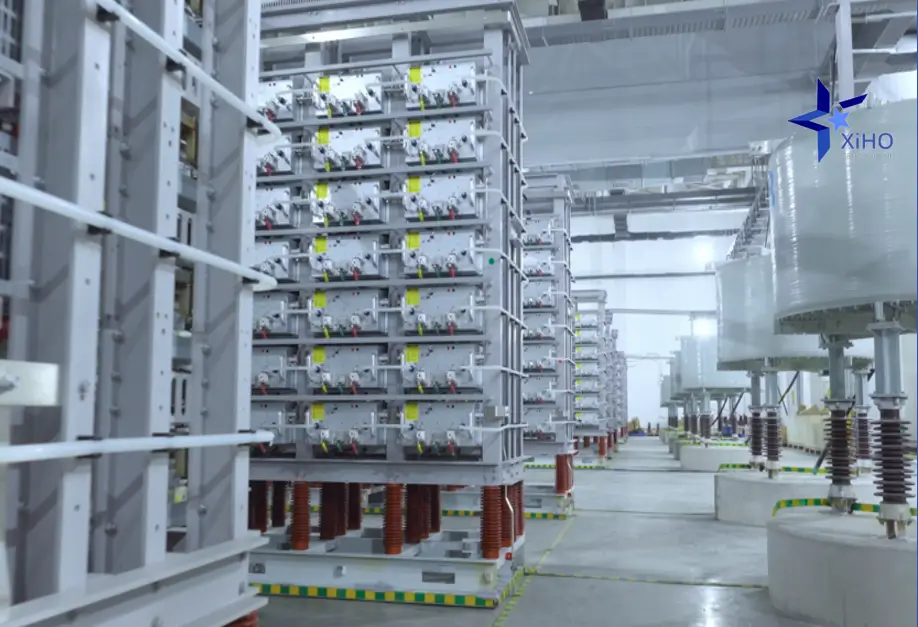 CATL Opens Massive New Energy Storage Test Lab in China
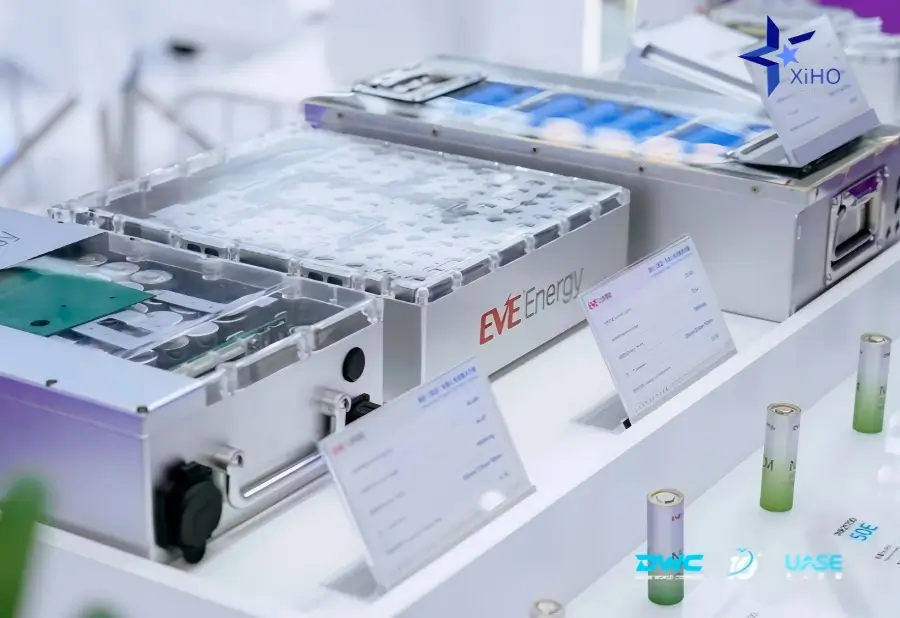 EVE Energy Showcases Energy Solutions at 2026 World UAV Expo

