When evaluating lithium ion battery performance, SOC (remaining charge) and SOH (health status) are often hotly debated, but the hidden indicator DCR (direct current internal resistance) is what really controls power output and safe life. It is like the "passage resistance" of current (unit: mΩ). The lower the value, the smoother the flow of electrons. If current is compared to water flow, high DCR is like a narrow pipe, causing voltage drop, heat generation, and even equipment downtime.1. What is the DCR of lithium-ion batteries?DCR, the full name of which is Direct Current Resistance, also known as "internal resistance", refers to the resistance encountered by current when flowing inside the battery. The unit is milliohm (mΩ). The smaller the value, the better the conductivity of the battery.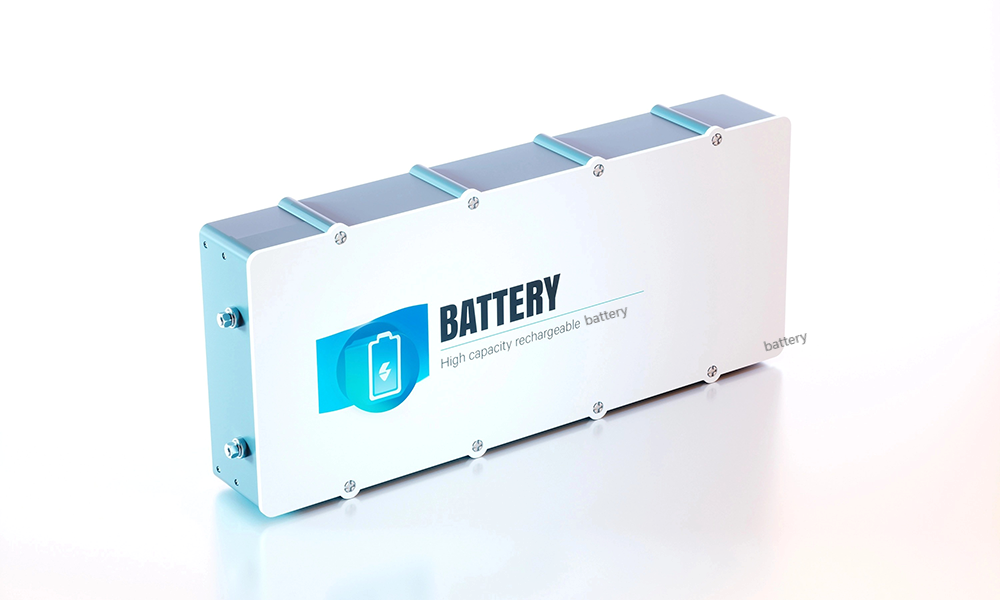 2. The role of DCR
(1) Impact on charging and discharging efficiency
High DCR causes a sudden voltage drop (IR Drop) during charging and discharging, and energy is converted into invalid heat. For example, when a mobile phone is fast charged, excessive internal resistance will reduce the actual charging voltage and the efficiency will plummet; when discharging, the device will shut down prematurely due to unstable voltage.
For a rechargeable battery, for every 1mΩ reduction in DCR (such as 11.5mΩ→10.2mΩ), the energy efficiency at 0.5C rate can be increased by 0.4%. Lithium ion battery manufacturers therefore use low DCR as a core indicator of fast charging technology.
(2) Determine battery aging
As lithium ion batteries age, active lithium loss and SEI film thickening will increase DCR. For example, if a battery with a factory DCR of 15mΩ rises to 40mΩ after one year, it indicates that capacity attenuation and safety risks are increasing.
Energy storage battery suppliers predict SOH by long-term monitoring of DCR trends, replace faulty cells in advance, and avoid energy storage system collapse.
(3) Ensure battery operation safety
High DCR + high current = severe heating. Although LiFePO4 battery is known for its stability, a sudden increase in DCR may still trigger thermal runaway. BMS monitors DCR in real time and immediately limits current or disconnects if an abnormality occurs, acting as an "electronic fuse".3. How to measure DCR accurately?
The DCR of lithium-ion batteries cannot be directly measured with a multimeter. The mainstream methods include:
(1) Pulse current method (low cost and high efficiency): apply 1.5C~3C pulse current for 30 seconds and calculate ΔV/ΔI.
(2) AC impedance method (laboratory-level accuracy): use an electrochemical workstation to scan the impedance curve and separate the ohmic/polarization internal resistance.
(3) Note when measuring:
Do not measure when the battery is charging and discharging violently, otherwise the voltage fluctuation will be too large and the data will be inaccurate;
The measurement temperature must be constant, because DCR is very sensitive to temperature. As the temperature rises, the electrolyte activity increases and the DCR will decrease; as the temperature decreases, the conductivity deteriorates and the DCR will increase;
The battery should be stable for a period of time before measuring to ensure that the data is not disturbed by dynamic response;
Measure regularly and establish a comparison curve so that the trend of internal resistance changes can be discovered.4.DCR comparison of different battery systems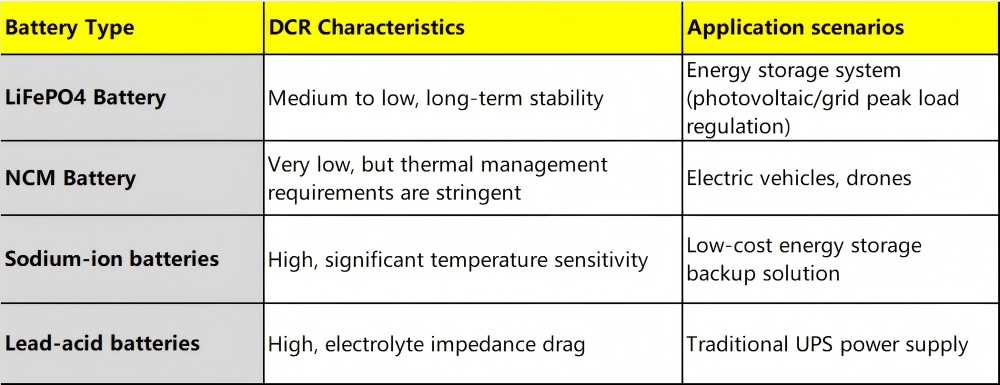
LiFePO4 battery has become the first choice of energy storage battery suppliers due to its stable DCR, while ternary lithium ion battery dominates high-power scenarios with its ultra-low DCR.
Although DCR is invisible, it is the core indicator in the field of rechargeable batteries. From mobile phones to grid energy storage, the performance ceiling of lithium ion batteries is always defined by DCR. Only by understanding it can we master the future of energy.

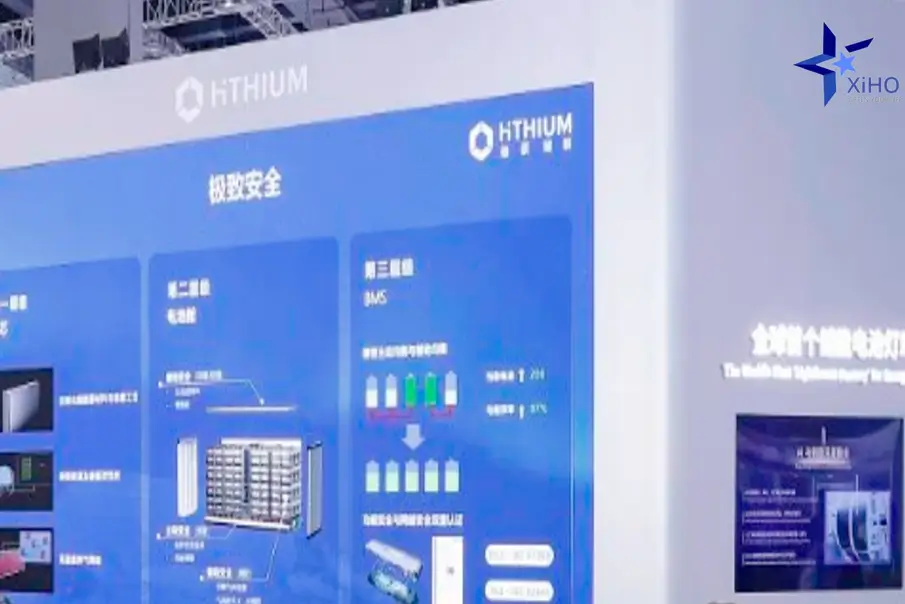 HiTHIUM Launches First Native 8-Hour LDES System at SNEC 2026
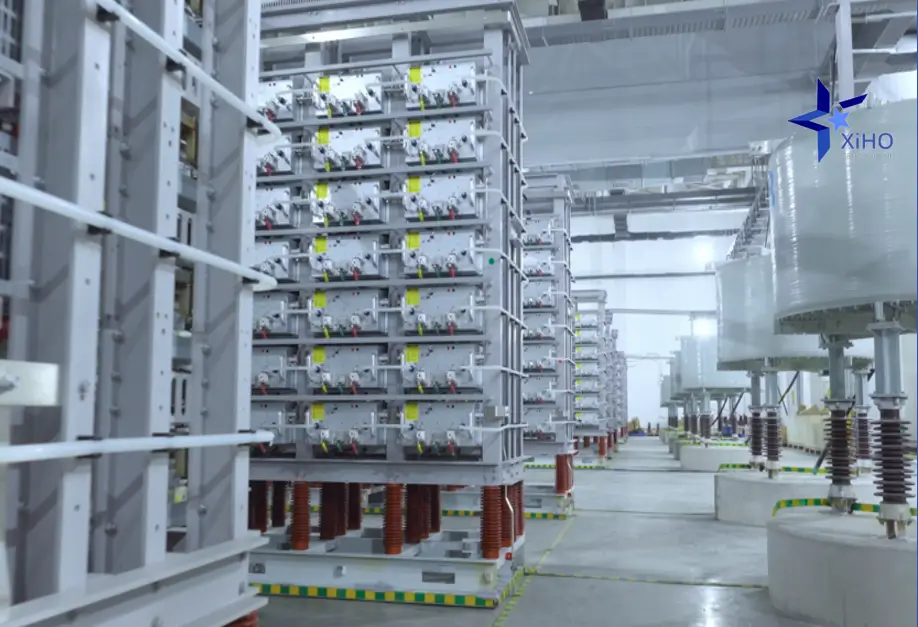 CATL Opens Massive New Energy Storage Test Lab in China
 EVE Energy Showcases Energy Solutions at 2026 World UAV Expo

