On March 26, 2026, Australian transmission operator Transgrid revealed it has shortlisted nine utility-scale battery energy storage system (BESS) projects, totaling up to 2GW of capacity, to deliver critical system strength services for New South Wales’ (NSW) transmission network. The milestone initiative directly addresses the looming grid stability gap left by the state’s rapidly retiring coal-fired generation fleet.
Project Timeline & Core Procurement Details
The shortlist follows in-depth technical modelling to identify required capacity and high-priority locations across the NSW grid, though Transgrid has not publicly disclosed the selected battery projects. Commercial negotiations are now underway with shortlisted asset owners to lock in system strength services from the grid-forming BESS assets, which are on track to come online in the second half of 2026.
“Third-party owned battery assets are central to our system strength strategy, as they let us accelerate grid hardening without the capital cost of building new generation assets or major network overhauls,” stated Jason Krstanoski, Transgrid’s Executive General Manager for Network.
Solving the Grid Stability Crisis from Coal Retirements
This procurement marks the first tranche of Transgrid’s long-term system strength strategy, which aims to secure 5GW of grid stabilisation services from third-party BESS assets by 2033. The initiative responds to a critical challenge for NSW’s power system: 80% of the state’s coal generation capacity will retire over the next decade, eliminating the traditional sources of system strength that have long underpinned grid reliability. Historically, coal generators delivered system strength as a byproduct of standard operation, creating an urgent need for alternative solutions as these facilities close.
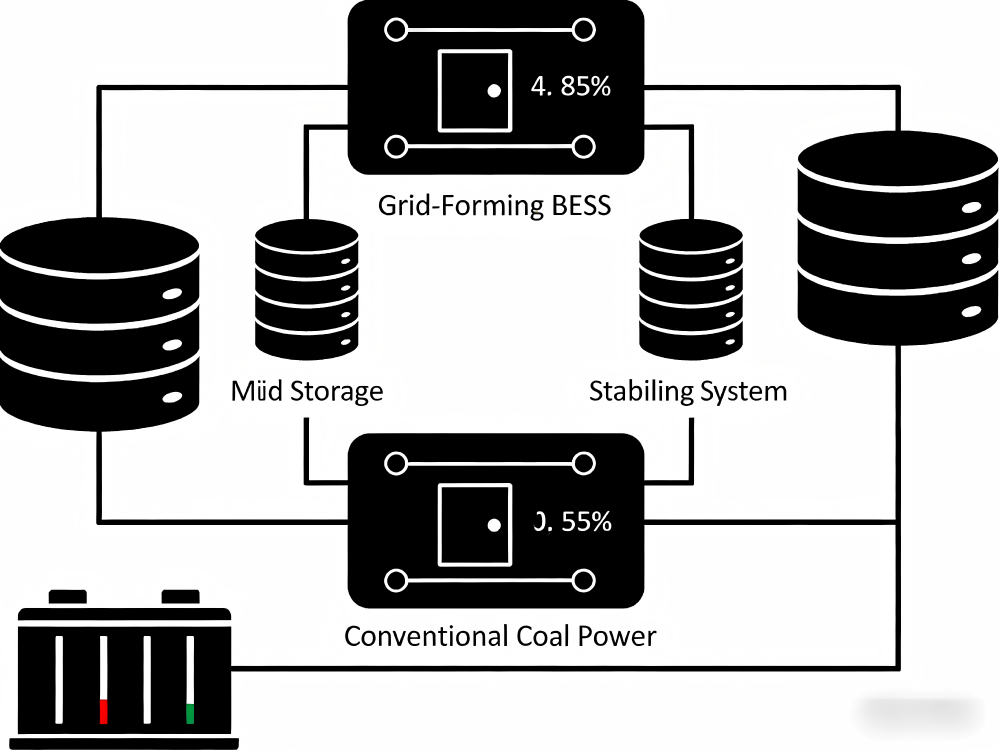
Grid-Forming BESS: Technical Foundation for Renewable Grids
Transgrid finalised its overarching System Strength Plan in July 2025, after a three-year review of over 100 potential solutions. The preferred portfolio is projected to deliver AU$8.8 billion (US$6.11 billion) in net market benefits, combining 5GW of grid-forming BESS, 10 synchronous condensers on the state’s backbone network, modifications to 650MW of existing synchronous generators, and targeted upgrades for NSW’s renewable energy zones.
The Australian Energy Market Operator (AEMO) has named grid-forming battery storage a top 2026 priority, recognising its role in underpinning high-renewable power systems. Unlike conventional grid-following batteries, which need a stable grid reference to operate, grid-forming BESS can independently deliver voltage and frequency control. These systems will complement synchronous condensers, with the 2GW shortlisted fleet set to provide the equivalent stabilisation capacity of 17 additional synchronous condensers.
Expanding Market Opportunity for BESS Developers
Krstanoski emphasised the procurement prioritises battery projects that are already operational or in advanced development at targeted network locations, enabling Transgrid to address emerging system strength gaps quickly. The direct negotiation model is designed to secure competitive pricing and terms, while delivering optimal outcomes for NSW electricity consumers.
“System strength services create an additional revenue stream for battery assets, unlocking greater value for developers while strengthening grid stability and making NSW a more attractive energy storage investment destination,” Krstanoski added. He noted Australia now ranks as the world’s third-largest utility-scale battery market, per Rystad Energy analysis, giving Transgrid a deep pool of viable projects for future procurement rounds.
As the global energy transition accelerates, grid-forming utility-scale BESS has become a critical pillar of stable, renewable-heavy power systems worldwide. XIHO Battery closely tracks these global grid storage developments, delivering high-performance LiFePO4 battery solutions tailored for utility-scale and grid-level energy storage projects across North America, Europe, and Oceania.
Welcome to contact us:
Inquiry more product details from the : Lithium Ion Battery Manufacturers
WhatsApp/Wechat/Mobile: +86 13332949210
Email: info@xihobattery.com
Website: www.xihobattery.com 
 HiTHIUM Launches First Native 8-Hour LDES System at SNEC 2026
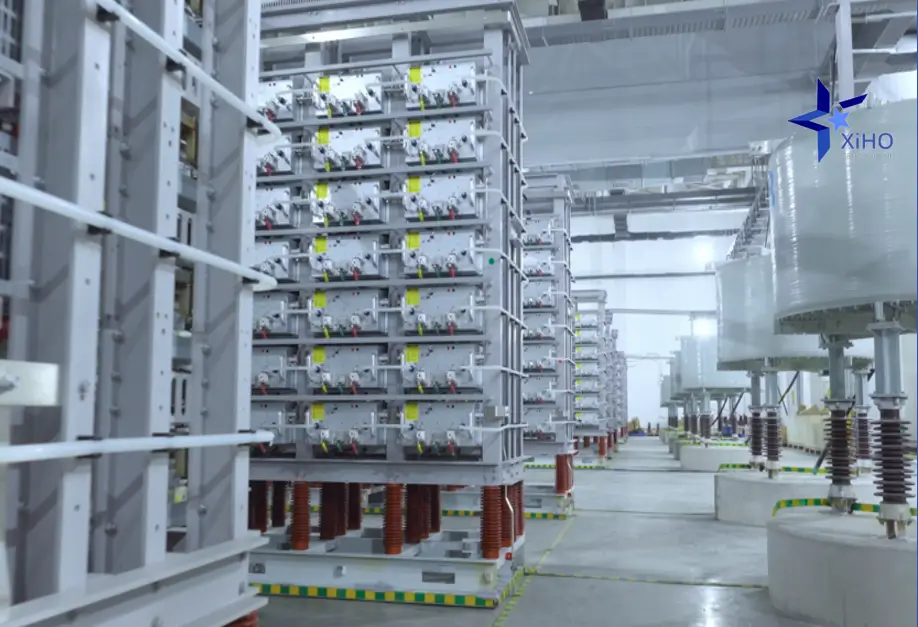 CATL Opens Massive New Energy Storage Test Lab in China
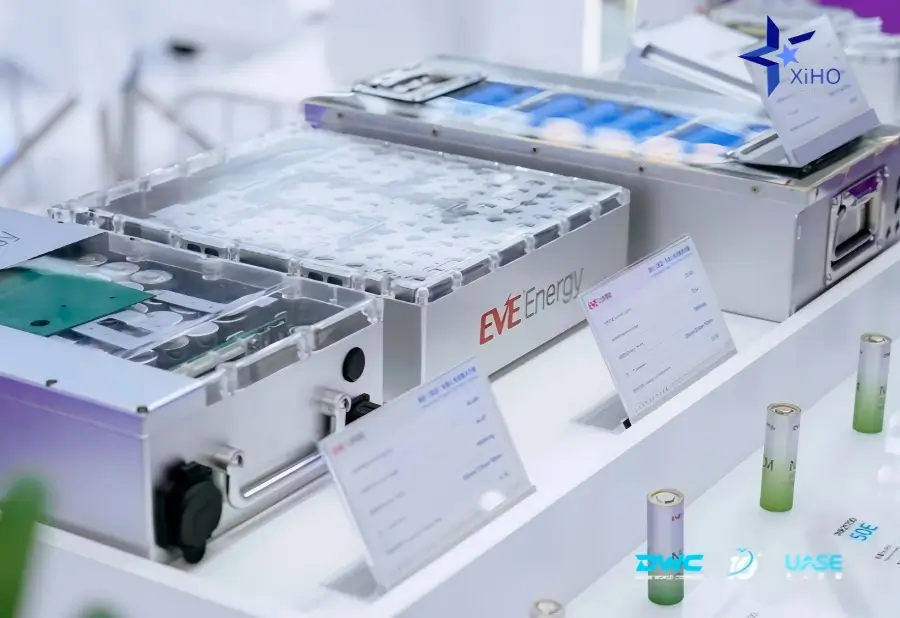 EVE Energy Showcases Energy Solutions at 2026 World UAV Expo

